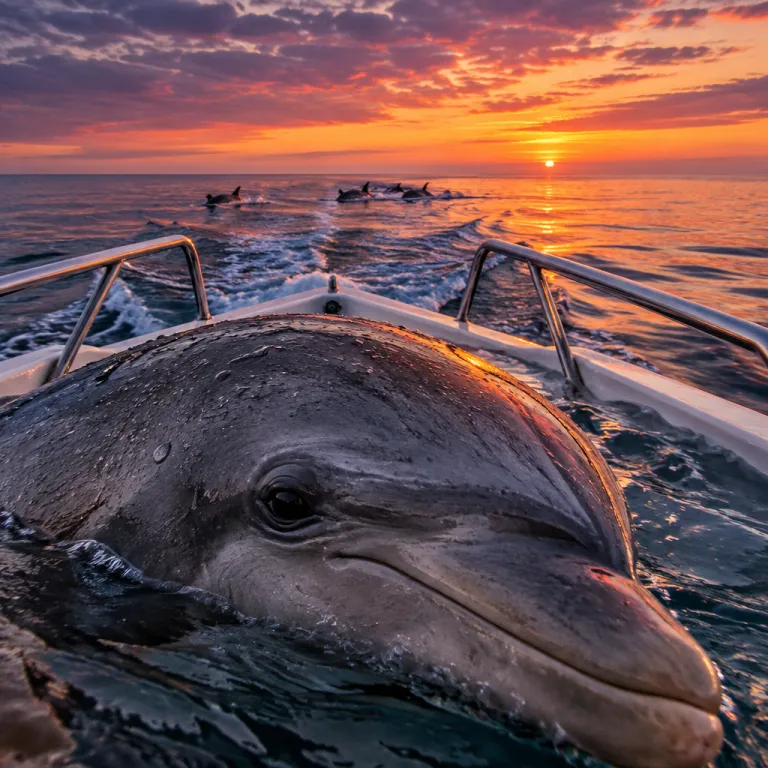
Reading the ocean and the pod for refined dolphin photography
Dolphin watching photography tips start long before you lift your camera. You first need to read the water, the boat movement, and the behaviour of the dolphins to anticipate where the best frame will form. This awareness of marine life patterns lets you time each shot to the split second.
On a dedicated dolphin cruise in places like the Azores or the Red Sea, watch how dolphins and whales approach the bow and stern of the boat. The most reliable wildlife photography often comes when the pod settles into a rhythm alongside you, and you can predict when a dolphin will break the surface water with its dorsal fin. By observing whale and dolphin interactions with the vessel, you reduce guesswork and increase your chance to capture a clean, sharp image.
Look for subtle cues in marine wildlife behaviour, such as a dolphin rolling just under the surface water before a leap. That tiny change in body angle tells you where to point your lens and when to half press the shutter. Over time, you will learn to anticipate the arc of a jump and the exact second when the dorsal fin, spray, and light align.
When whale watching from a stable catamaran, position yourself where you have an unobstructed view of both sides of the boat. Humpback whales often surface in a predictable pattern, so count the seconds between blows to prepare your camera and refine your exposure. These same timing skills translate directly to dolphin photography, where everything happens faster but follows recognisable rhythms.
Ethical marine life encounters matter as much as technical skill, especially when you combine wildlife photography with diving and marine travel. Choose operators who respect minimum approach distances to whales and dolphins, and who cut engine speed when pods are feeding or resting. Responsible timing and distance keep the wildlife relaxed, which in turn gives you more natural behaviour to capture with your camera.
Ethical dolphin interactions and choosing the right marine operator
Responsible dolphin watching photography tips always begin with the choice of operator. Look for a dolphin cruise company that prioritises marine wildlife welfare over getting as close as possible for a dramatic shot. Ethical whale watching and dolphin tours usually brief guests on behaviour, noise, and safe positions on the boat before leaving the harbour.
For travellers focused on dolphin photography, ask whether the crew includes a marine biologist or naturalist. These specialists can explain how whales and dolphins use sound, how to recognise stress signals, and when a dorsal fin slap means the animal wants more space. Their guidance helps you decide when to keep shooting and when to lower the camera out of respect for the animals.
Many divers combine offshore whale watching with in water encounters such as snorkeling with whale sharks or swimming near dolphins. If you are planning a trip that mixes these activities, reading an in depth guide to immersive diving with dolphins and ethical marine encounters will help you align your wildlife photography goals with responsible travel. The best operators limit the number of swimmers in the water and the time spent near each pod to reduce cumulative disturbance.
On any dolphin cruise, follow a simple rule for marine life and marine wildlife photography. If the dolphins or whales change direction repeatedly, increase their speed, or dive for long periods, the interaction has probably become too intense. Put the camera down, ask the crew to give the animals more space, and wait for a calmer, more sustainable encounter.
Ethical timing also matters when you photograph humpback whales during migration. Many regions restrict the time a boat may spend near a pod, often to less than half an hour, to protect the whales and calves. Respecting these limits not only safeguards marine life but also ensures that future travellers will enjoy the same chance to capture powerful images of whales and dolphins in healthy oceans.
Camera settings, shooting modes, and mastering motion
Fast moving dolphins demand deliberate control of camera settings. The most practical dolphin watching photography tips focus on balancing shutter speed, ISO, and aperture so you can freeze motion without sacrificing image quality. Start by choosing a shooting mode that gives priority to speed and responsiveness.
For many travellers, aperture priority mode offers a good compromise between creative control and simplicity. Set a moderately wide aperture, such as f/5.6 or f/8, to maintain enough depth field while still allowing a fast shutter. Then raise the ISO until your shutter speed consistently reaches at least 1/1000 of a second in bright water conditions.
When dolphins are leaping close to the boat, switch to shutter priority mode to lock in a minimum shutter speed. A value between 1/1250 and 1/2000 of a second will usually freeze the spray, the dorsal fin, and the arc of the jump. Let the camera adjust aperture and ISO automatically, then review your exposure and adjust ISO aperture combinations if highlights start to clip.
More advanced photographers may prefer full manual exposure for consistent results in stable light. In this case, set your shutter speed first, then choose an aperture that gives enough depth field to keep both the dolphin and the surface water sharp. Finally, raise ISO until the histogram shows a well balanced exposure without crushed shadows or blown highlights.
Continuous shooting and burst mode are essential for wildlife photography at sea, because the perfect moment often lasts less than a second. Activate continuous shooting, hold the shutter as the dolphin breaks the surface, and let the camera capture a sequence of frames. Later, you can select the best image where the animal, the water, and the light align perfectly.
As a quick reference, a typical starting point for bright conditions might be: shutter priority at 1/1600 s, f/5.6–f/8, and ISO 200–800 on a camera such as a Canon EOS R7 with a 70–200 mm zoom, or a Nikon Z6 II paired with a 70–300 mm lens. For example, on a calm morning in the Azores, I used 1/1600 s, f/7.1, and ISO 400 at 200 mm to capture a common dolphin mid leap with crisp droplets and detailed markings.
Choosing lenses and composing for dynamic marine scenes
Lens choice shapes the entire feel of your dolphin photography. On a small boat, a zoom lens in the 70–200 mm range offers flexibility to frame both close dolphins and more distant whales. Travellers using a full frame camera may prefer a 70–300 mm lens to reach humpback whales that surface farther from the vessel.
When you plan for whale watching in open ocean conditions, consider bringing two bodies if possible. Mount a wider zoom, such as 24–70 mm, on one camera for environmental shots that show the boat, the coastline, and the marine life together. Use a longer lens on the second body to capture tight portraits of a dolphin’s eye, a dorsal fin cutting through the surface water, or the tail fluke of whales.
Composition matters as much as technical sharpness in wildlife photography. Aim to leave space in front of the dolphin or whale so the animal appears to move into the frame rather than out of it. When several dolphins travel together, use the extra width of a full frame sensor to include multiple animals and the texture of the water in a single, balanced image.
Depth field control helps separate marine wildlife from a busy background of waves and spray. In bright light, you can stop down slightly to f/8 or f/11 to keep both the dolphin and the near water crisp, while still maintaining a fast shutter speed. In lower light, open the aperture and rely on higher ISO to preserve exposure, accepting a shallower depth field for a more intimate feel.
Some of the most memorable dolphin watching photography tips focus on storytelling rather than pure technical perfection. Include elements such as the bow of the boat, the silhouettes of fellow travellers, or distant islands to place the dolphin within a broader marine life context. These details transform a simple wildlife record into a travel image that evokes the full experience of being at sea.
Light, weather, and working with challenging marine conditions
Ocean light changes quickly, so your dolphin watching photography tips must adapt to shifting conditions. Early morning and late afternoon usually offer the best balance of soft light, rich colour, and calm water. Midday sun can still work, but you will need to manage harsh contrast and reflections.
On bright days, use lower ISO values to protect detail in the highlights of the water and the skin of dolphins and whales. A base ISO between 100 and 400 on a modern camera will usually give clean files with generous exposure latitude. Watch the histogram and adjust ISO aperture combinations to avoid losing texture in the brightest spray or the white patches on humpback whales.
Cloudy conditions can be surprisingly flattering for wildlife photography at sea. The diffused light softens shadows on the dolphin’s body and reduces glare on the surface water, making it easier to capture subtle tones. In these situations, raise ISO and keep shutter priority or manual exposure engaged so your shutter speed stays high enough to freeze motion.
Rain, spray, and wind introduce extra challenges for dolphin photography but also unique opportunities. Use a lens hood and a microfiber cloth to protect the front element from water droplets, and keep a dry bag nearby for the camera between sightings. When waves rise, time your shots for the top of the boat’s motion, where movement briefly pauses and you can press the shutter with less risk of blur.
Backlit scenes, where the sun sits behind the dolphins, can produce dramatic silhouettes and glowing spray. In these cases, dial in positive exposure compensation or adjust your manual exposure to keep the animals from becoming featureless shadows. The result can be some of your best images, with the dorsal fin rimmed in light and the water sparkling around it.
From surface encounters to in water perspectives on marine life
Many divers want to extend dolphin watching photography tips from the deck of a boat into the water itself. In water encounters require even more respect for marine wildlife, because your presence is now within the dolphins’ three dimensional space. Always follow local regulations and the guidance of experienced dive leaders when entering the water near whales or dolphins.
Underwater, your shooting mode and exposure strategy will change significantly. Light drops quickly with depth, so you may need higher ISO and wider apertures to maintain a safe shutter speed. Manual exposure often works best below the surface, allowing you to balance ambient light with any strobes while still freezing the motion of marine life.
When you photograph dolphins from just below the surface water, aim slightly upward to include the shimmer of the underside of the waves. This angle emphasises the connection between the animals and the open ocean, and it can create beautiful patterns of light on their bodies. Keep your movements slow and non threatening, letting the dolphins decide whether to approach your lens.
Some travellers combine dolphin encounters with other iconic marine life experiences, such as snorkeling with whale sharks in clear tropical seas. Reading a detailed account of an unforgettable experience snorkeling with whale sharks in pristine waters can help you understand how different species react to swimmers and how to adapt your wildlife photography approach. The same respect for distance, limited time in the water, and calm body language applies whether you are near whales, dolphins, or other large animals.
Because underwater conditions vary so much, practise with your camera and housing in a pool or calm bay before joining a dolphin cruise. Test continuous shooting, burst mode, and focus tracking on fast moving swimmers to simulate the speed of dolphins. By the time you meet real marine life offshore, you will be ready to concentrate on composition and behaviour rather than fumbling with controls.
Workflow, safety, and making the most of limited time at sea
Every dolphin watching trip offers only a limited window to create strong images. Efficient workflow and safety awareness ensure you spend that time shooting rather than troubleshooting. Prepare your camera, lens, and accessories before the boat leaves the dock, so you can react instantly when the first dorsal fin appears.
Set your preferred shooting mode, whether that is aperture priority, shutter priority, or full manual exposure, and save it to a custom setting if your camera allows. Activate continuous shooting, configure burst mode, and test focus tracking on moving subjects on the pier. This preparation means that when whales and dolphins suddenly surface near the bow, you only need to raise the camera and press the shutter.
Safety on deck always comes before wildlife photography, especially in rough water. Keep one hand free to hold a rail when moving, and never lean over the side of the boat to capture a shot. Use a camera strap or harness to prevent accidental drops, and store spare lenses and bodies in a secure, dry location between sightings.
After each encounter, take a moment to review a few frames at high magnification. Check that your shutter speed is fast enough, your exposure is consistent, and your depth field keeps the key parts of the dolphin or whale sharp. If you notice softness or noise, adjust ISO aperture settings or shutter speed before the next pod appears.
Back on shore, organise your wildlife photography files while the experience is still fresh. Tag images by species, behaviour, and location, noting whether they were taken during whale watching, a dolphin cruise, or a mixed marine life expedition. Over time, this archive will help you refine your personal set of dolphin watching photography tips, tailored to the way you travel and the oceans you love.
Key figures and trends in dolphin and whale tourism
- The International Whaling Commission has reported that global whale watching activities now take place in more than 100 countries and territories, reflecting rapid growth in marine wildlife tourism over recent decades (see, for example, the IWC report “Whale Watching Worldwide: Tourism Numbers, Expenditures and Expanding Economic Benefits,” 2009, available via https://iwc.int).
- Research published by the World Tourism Organization indicates that nature based tourism, including trips focused on marine life such as whales and dolphins, has been growing faster than the overall tourism sector, highlighting strong traveller interest in wildlife experiences (UNWTO “Towards Measuring the Economic Value of Wildlife Watching Tourism in Africa,” 2015, summarised at https://www.unwto.org).
- Studies from the International Fund for Animal Welfare have shown that non lethal whale watching can generate significantly more revenue for coastal communities than whaling, underlining the economic value of responsible marine wildlife encounters (IFAW “Whale Watching Worldwide,” 2009, referenced at https://www.ifaw.org).
- Conservation organisations such as the World Wide Fund for Nature have documented that some dolphin and whale populations are sensitive to repeated boat approaches, which is why many regions now enforce minimum approach distances and time limits for vessels; for example, several humpback whale sanctuaries limit close approaches to around 30 minutes per pod (see regional guidelines collated by WWF at https://www.worldwildlife.org).
- Data from marine protected areas in destinations like New Zealand and Australia demonstrate that regulated dolphin cruise operations, combined with clear codes of conduct, can reduce disturbance to marine life while maintaining high quality visitor experiences, as summarised in management plans for areas such as the Bay of Islands and Hervey Bay (available through national conservation agency portals).
FAQ about dolphin watching photography and marine travel
What is the best shutter speed for photographing dolphins from a boat ?
For sharp dolphin images from a moving boat, aim for a shutter speed between 1/1000 and 1/2000 of a second. This range usually freezes both the animal’s movement and much of the boat motion. If light is low, increase ISO and open the aperture rather than dropping below this speed.
Which lens should I bring for whale and dolphin photography at sea ?
A versatile zoom lens in the 70–200 mm or 70–300 mm range works well for most whale watching and dolphin cruises. On a full frame camera, this focal length lets you frame both close passes and more distant whales. If you have space and budget, pairing it with a wider 24–70 mm zoom covers environmental scenes and boat perspectives.
Is aperture priority or shutter priority better for marine wildlife photography ?
Both modes can work, but shutter priority often suits fast action when dolphins are breaching frequently. It lets you lock in a high shutter speed while the camera adjusts aperture and ISO. Aperture priority is useful in steadier light when you want consistent depth field and are comfortable monitoring shutter speed.
How can I photograph dolphins ethically without disturbing them ?
Choose operators that follow recognised guidelines for approach distances and time limits around whales and dolphins. On board, keep noise low, avoid sudden movements, and accept that some pods may not want close interaction. If animals change direction repeatedly or increase speed, ask the crew to give them more space and pause your shooting.
Do I need a full frame camera for high quality dolphin photography ?
A full frame camera offers advantages in low light and depth field control, but it is not essential. Many modern APS C and Micro Four Thirds cameras deliver excellent wildlife photography results when paired with a sharp lens and good technique. Prioritise fast shutter speeds, accurate focus, and ethical marine life encounters over sensor size.