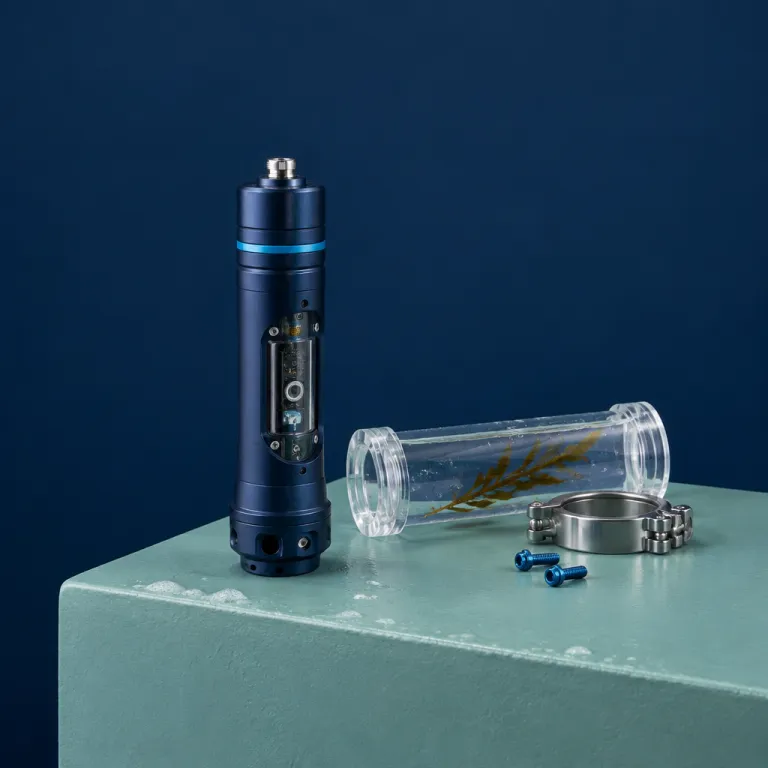
V4 pipeline in progress for safer marine life encounters
Divers increasingly ask how a V4 pipeline in progress can reshape marine safety. In practical terms, this concept describes a structured, four phase approach that guides planning, execution, monitoring, and review of every dive. When applied rigorously, such a V4 framework helps reduce risk while keeping marine life encounters respectful.
Think of the V4 model as four linked stages: Plan → Equip → Execute → Review. In the first phase, you assess conditions and risks before entering the water. The second phase aligns equipment and skills with the dive plan. Phase three governs in water conduct and real time decisions. The final phase captures lessons learned so each dive improves the next.
The first phase in any V4 pipeline in progress focuses on pre dive assessment. You evaluate destination, season, currents, visibility, and typical species behavior before even booking flights or liveaboards. This structured thinking mirrors how professional operators assess shark cleaning stations in the Maldives or manta aggregation sites in Komodo.
The second phase centers on equipment and skills alignment with expected marine life. A four step V4 workflow encourages divers to match gear to conditions, from reef hooks on current swept walls to red filtered lights for night dives. It also prompts honest self assessment of buoyancy control, trim, and situational awareness before entering fragile habitats.
Phase three covers in water conduct and real time decision making around animals. Within this V4 process, this means predefined distance limits, no chase rules, and clear hand signals for aborting an approach. Dive leaders can brief specific protocols for turtles, rays, and large pelagics so the team reacts consistently.
The final phase is structured debrief and data capture after each dive. A V4 pipeline in progress treats every marine life interaction as a learning opportunity that refines future planning. Logging current strength, visibility, animal reactions, and minor incidents builds a personal safety database over many seasons.
Applied to marine travel, this four step mindset extends beyond the water. You can evaluate operators, vessels, and local regulations through the same V4 planning and review lens. Over time, this consistent framework becomes second nature and quietly elevates both safety and environmental stewardship.
Quick V4 checklist for any marine life dive
- Plan: Research site, season, species, and hazards.
- Equip: Match gear and skills to depth, current, and wildlife.
- Execute: Follow agreed distances, signals, and turn points.
- Review: Log conditions, animal reactions, and improvement points.
Planning safe marine life encounters before you travel
Thoughtful planning is where a V4 pipeline in progress delivers the greatest leverage. Before choosing a destination, examine seasonal patterns for currents, thermoclines, and plankton blooms that influence animal behavior. This pre trip phase of the V4 method helps you avoid peak storm periods and overcrowded sites that increase stress for both divers and wildlife.
Operator selection should follow the same structured logic. Ask how each center applies a V4 pipeline in progress to briefings, group sizes, and marine life protocols, then compare their answers with regional best practices. Reputable operators in places like Raja Ampat or the Red Sea will explain their approach to minimum experience levels, guide to diver ratios, and emergency oxygen availability.
One practical example comes from a liveaboard I worked with in the Coral Triangle. Their four phase system required guests to complete a pre trip questionnaire, attend a detailed arrival briefing, follow strict in water spacing rules, and join a short debrief after every dive. Over three seasons, they recorded a marked drop in contact incidents with coral and large animals while guest satisfaction scores rose.
Travel logistics also influence safety around marine life. When flights arrive late and transfers are rushed, divers often skip the planning phase of their personal V4 workflow. Building a buffer day at the start of your trip allows time for check dives, equipment testing, and a detailed review of local species behavior.
Night dives require even more deliberate preparation. A well designed V4 pipeline in progress for nocturnal encounters includes backup lights, clear buddy separation limits, and pre agreed signals for aborting if currents shift. For a deeper dive into structured risk management after dark, review this guide to essential safety strategies for an unforgettable night dive experience.
Insurance and medical readiness belong in the planning phase as well. Within a V4 pipeline in progress, you verify chamber access, evacuation options, and coverage for remote marine travel before paying deposits. This mindset treats paperwork and contingency planning as integral parts of responsible wildlife encounters, not afterthoughts.
Finally, ethical considerations should shape your itinerary from the outset. A V4 decision making framework encourages you to favor destinations that cap daily diver numbers, enforce no touch policies, and support local conservation. By aligning your travel choices with these principles, you help ensure that iconic sites remain healthy for future visitors.
Managing depth, currents, and decompression risk around marine life
Many of the most memorable marine life encounters occur where conditions are demanding. A V4 pipeline in progress gives structure to how you manage depth, currents, and decompression risk in these environments. Rather than relying on instinct, you follow a repeatable process that keeps physiology and safety at the center of every decision.
Depth planning is the first step. Within a V4 pipeline in progress, you define a hard maximum depth based on training, recent experience, and gas supply, then compare it with typical animal behavior at the site. For example, hammerheads at Cocos Island often cruise between 25 and 35 m, which requires conservative no decompression limits and careful gas management.
Currents demand similar structure. A V4 risk management model encourages pre dive current checks, clear entry and exit strategies, and contingency plans if flow increases mid dive. On drift dives with pelagic species, this might mean surface marker buoys for each buddy pair and strict rules about staying within visual range of the guide.
Decompression safety is where a methodical approach truly pays off. Integrating a V4 pipeline in progress into your routine means planning multi level profiles, extended safety stops, and conservative gradient factors on dive computers. For a detailed explanation of how nitrogen loading and ascent rates affect your body, consult this resource on understanding decompression sickness and the bends.
Surface intervals form another pillar of this structured mindset. A V4 pipeline in progress treats time between dives as active recovery, with hydration, warmth, and light movement to support circulation. This is especially important on liveaboards where multiple deep dives near walls or seamounts can accumulate unnoticed fatigue.
Finally, gas choice and configuration should be evaluated through the same lens. When a V4 planning cycle guides decisions about nitrox use, redundant gas, or sidemount setups, you avoid ad hoc experimentation on challenging dives. The result is a calmer, more predictable environment in which to appreciate marine life without compromising safety.
Reading animal behavior and setting safe interaction boundaries
Understanding marine animal behavior is central to safe, respectful encounters. A V4 pipeline in progress helps you translate general knowledge into concrete rules for distance, positioning, and timing. Instead of reacting emotionally to a close pass, you follow predefined boundaries that protect both you and the animal.
Pre dive briefings are where this begins. Within a V4 pipeline in progress, guides explain typical body language for key species, from the pectoral fin positions of manta rays to the tail flick patterns of reef sharks. You then agree on minimum approach distances and no go angles, such as avoiding direct pursuit from behind or blocking escape routes.
During the dive, situational awareness becomes your primary tool. A V4 situational awareness loop encourages constant scanning of both animals and other divers, watching for signs of stress like rapid gill movement, sudden depth changes, or repeated avoidance turns. When these cues appear, the protocol is simple: increase distance, reduce noise, and give the animal space.
Photography often complicates these boundaries. By applying a V4 pipeline in progress, underwater photographers commit to composing shots from stable positions without chasing or cornering subjects. This might mean accepting fewer close ups in exchange for natural behavior and lower risk of accidental contact with coral or animals.
Group dynamics also matter. A V4 interaction protocol defines maximum group sizes for sensitive sites and assigns clear roles, such as one lead and one tail diver to manage spacing. This structure prevents the chaotic clustering that can overwhelm turtles at cleaning stations or mob whale sharks during feeding events.
After the dive, reviewing animal reactions becomes part of your learning loop. Logging which behaviors preceded a retreat or sudden departure helps refine the next iteration of your V4 pipeline in progress. Over time, this disciplined reflection sharpens your ability to anticipate problems before they escalate underwater.
Choosing ethical operators and itineraries for marine travel
Where you spend your travel budget has direct consequences for marine ecosystems. A V4 pipeline in progress offers a clear framework for evaluating operators, vessels, and itineraries through an ethical lens. By asking structured questions, you can distinguish genuine conservation efforts from superficial marketing.
Start with environmental policies. Within a V4 pipeline in progress, you assess how an operator manages waste, anchors, and fuel efficiency, and whether they support local marine protected areas. Operators in destinations like Palau or the Galápagos often publish clear codes of conduct that limit diver numbers at sensitive sites.
Wildlife interaction rules are equally important. A V4 ethical checklist encourages you to ask about minimum approach distances, feeding bans, and enforcement mechanisms for guests who ignore guidelines. When an operator can explain how these rules apply to both individual dives and longer expeditions, it signals a mature safety culture.
Education should be part of every trip. Ethical operators integrate a V4 pipeline in progress into daily briefings, explaining not only what to do but why it matters for reef health and animal welfare. Many also collaborate with local researchers, inviting them aboard to share current data on population trends and habitat pressures.
Itinerary design reveals priorities as well. A V4 planning tool favors routes that rotate sites to reduce pressure, schedule rest days for heavily visited reefs, and avoid known spawning aggregations during critical windows. When reviewing sample itineraries, look for explicit references to these considerations rather than vague sustainability claims.
Finally, consider how your trip supports local communities. Within a V4 pipeline in progress, ethical travel includes fair employment, local sourcing, and contributions to community led conservation projects. When divers choose such operators consistently, market pressure rewards those who align safety, ethics, and exceptional marine life experiences.
Building personal resilience and emergency readiness at sea
Even with meticulous planning, marine travel carries inherent uncertainty. A V4 pipeline in progress helps you build personal resilience so unexpected events become manageable rather than overwhelming. This mindset treats physical fitness, mental readiness, and emergency skills as core components of every trip.
Physical preparation starts months before departure. Within a V4 pipeline in progress, you schedule regular cardiovascular training, flexibility work, and light strength sessions to handle currents, ladders, and long days on deck. Divers who arrive conditioned experience less fatigue, which directly improves situational awareness underwater.
Mental readiness is just as critical. A V4 mental rehearsal routine encourages realistic visualization of challenging scenarios, from lost buddy drills to sudden weather changes, rehearsed calmly on land. When similar situations arise at sea, your brain recognizes the pattern and responds with practiced steps instead of panic.
Emergency skills should be refreshed regularly. Integrating a V4 pipeline in progress into your training calendar means renewing CPR, oxygen administration, and rescue diver certifications on a predictable cycle. On board, you can extend this by walking through muster points, life raft locations, and radio procedures with the crew.
Communication habits also influence outcomes. A V4 communication checklist promotes clear pre dive checklists, standardized hand signals, and honest reporting of discomfort or early symptoms of illness. This culture of transparency allows guides to intervene early, whether the issue is mild barotrauma or early signs of heat exhaustion.
Finally, post trip reflection closes the loop. After returning home, a V4 pipeline in progress prompts you to review what went well, what felt risky, and which skills need reinforcement before the next journey. Over successive expeditions, this disciplined cycle quietly transforms you into a more capable, safer diver and travel companion.
Key statistics on diving safety and marine travel
- Divers Alert Network has reported that recreational diving fatality rates are roughly 1 to 2 per 100,000 divers annually, which is comparable to the risk profile of recreational swimming when dives are planned conservatively (see DAN Annual Diving Report 2019–2020, Executive Summary and Table 2).
- Studies from the Divers Alert Network indicate that more than 80 percent of decompression sickness cases involve contributing factors such as rapid ascent, omitted safety stops, or dehydration, all of which can be mitigated by structured planning similar to a V4 pipeline in progress (summarized in multiple DAN Annual Diving Reports, including 2016–2017, Chapter 3).
- Data from the Professional Association of Diving Instructors shows that over 60 percent of reported dive incidents involve divers with fewer than 20 logged dives, underscoring the value of formalized pre dive checklists and progressive training (PADI incident summaries and training statistics, for example PADI Worldwide Corporate Statistics 2019, incident overview section).
- Research on marine protected areas published by organizations like the International Union for Conservation of Nature suggests that well managed reserves can increase fish biomass by 400 percent or more compared with adjacent unprotected zones, making ethical operator choice critical for long term ecosystem health (see IUCN and related MPA meta analyses such as the 2014 global review of marine reserves, key findings section).
- Surveys of liveaboard operations in regions such as the Coral Triangle indicate that implementing strict group size limits and no touch wildlife policies can reduce reported contact incidents with marine life by more than half over several seasons, especially when combined with a V4 pipeline in progress for briefings and debriefings (compiled from regional operator safety reports and internal logs between 2017 and 2021).
FAQ about safe marine life encounters while diving
How close can I safely approach large marine animals while diving ?
Minimum distances vary by species and local regulations, but a conservative guideline is to stay at least 3 to 5 m from large animals such as sharks, mantas, and whale sharks. Many protected areas specify exact limits in their codes of conduct, which your operator should explain clearly during briefings. When in doubt, increase distance and let the animal choose whether to approach you.
What should I do if a current becomes stronger than expected during a dive ?
If a current intensifies, signal your buddy and guide, then reduce your profile by streamlining and staying close to the reef or bottom where flow is weaker. Avoid fighting directly against the current; instead, move diagonally toward shelter or a predetermined exit route. Deploy a surface marker buoy if separated from the group and follow your training for controlled ascents.
How can I evaluate whether a dive operator follows ethical wildlife practices ?
Ask specific questions about group sizes, minimum approach distances, feeding policies, and enforcement of rules, and request to see their written code of conduct. Ethical operators will describe clear procedures for protecting both divers and animals, including how they handle guests who ignore guidelines. Reviews from experienced divers and recognition from conservation organizations can provide additional reassurance.
Is snorkeling with large animals safer than scuba diving with them ?
Snorkeling removes some risks related to depth and decompression, but it introduces others such as surface boat traffic, waves, and crowding. Safety depends more on group management, clear rules, and respectful distances than on whether you use scuba or snorkel gear. Well organized in water programs with trained guides can make both activities safe and rewarding.
How many dives should I log before joining advanced marine life expeditions ?
For trips involving strong currents, deep walls, or remote locations, many operators require at least 50 logged dives and recent experience in similar conditions. Beyond numbers, you should feel fully comfortable with buoyancy, gas management, and emergency drills before booking such expeditions. A structured training path with gradual exposure to more challenging environments is the most reliable preparation.