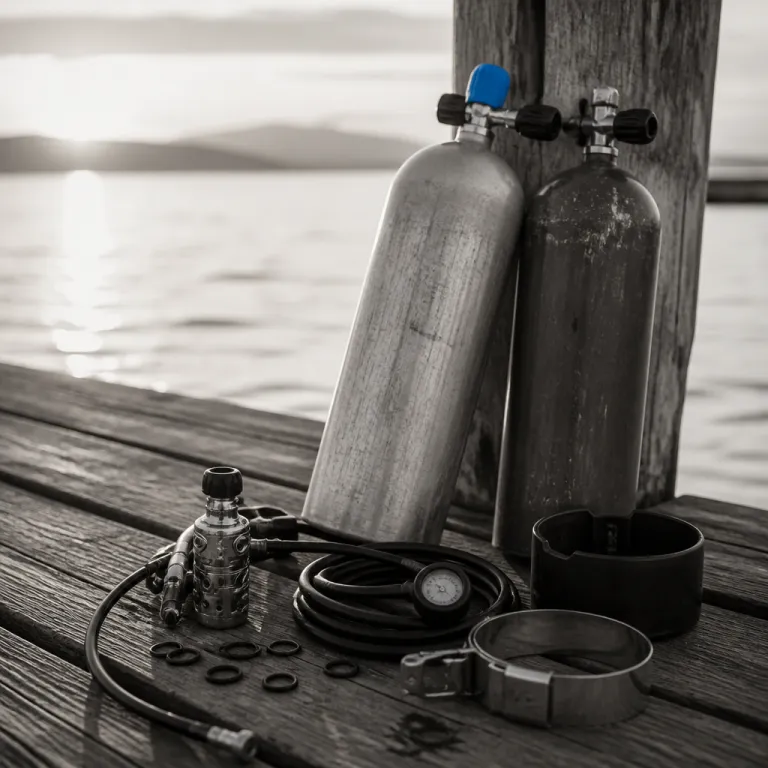
Scuba rental tanks and gauges: a practical guide for safer dive travel
Section 1 – Why scuba rental tanks and gauges matter for every dive trip
Scuba rental services allow you to plan a dive trip without owning a full set of scuba gear. When you rent essential equipment such as a tank, regulator, BCD, and dive computer, you gain access to high quality scuba equipment while keeping travel bags light. For travelling divers who move between islands or coastal regions, well maintained rental gear can be the difference between a relaxed scuba diving holiday and a stressful scramble for safe air underwater.
Across major destinations, a professional dive shop or larger network of dive shops usually acts as the main provider of scuba rental equipment rentals. These shops work as specialized actors that coordinate rental equipment, arrange air fills, and maintain each BCD regulator set according to manufacturer schedules. In most training and safety guidance from organizations such as Divers Alert Network (DAN) and PADI, these providers are treated as the primary partners for certified divers who rent scuba gear on a daily or multi day basis, which reflects how the global diving industry actually operates.
For most certified divers, the key question is not whether to rent, but which scuba rental package best matches the planned diving activities. A typical full rental gear package includes a BCD, regulator, wetsuit, mask fins, fins snorkel set, dive computer, and a primary tank with weights. Industry summaries and training materials echo this by noting that a standard “full scuba rental package” normally covers at least a BCD, regulator, exposure suit, tanks, and weights, with masks and fins often added as needed.
From a financial perspective, scuba rental can be surprisingly efficient for travellers who dive only a few weeks per year. An often cited benchmark is an average daily rental cost for a full scuba package of around 75 USD at urban training centres such as Las Vegas Scuba Academy, which aligns with prices in many resort areas according to typical North American dive shop price lists. When you compare that daily cost with the purchase price of full scuba gear, plus servicing and airline baggage fees, renting becomes a rational strategy for occasional water diver profiles.
Safety is the other major reason to take scuba rental tanks and gauges seriously, especially in remote regions. A well maintained tank with clean compressed air and a reliable pressure gauge gives every diver a clear picture of remaining gas, which underpins safe ascent planning. When you combine that with a modern dive computer and correctly sized BCD, you create a robust safety system even if you are far from your home dive shop.
Section 2 – Understanding scuba rental tanks, valves, and air quality
Before any dive, your rented tank and its air fill deserve careful attention because they are literally your life support. Most scuba rental cylinders are aluminium or steel, with internal water capacities between about 10 and 15 litres and working pressures commonly around 200 to 232 bar in many regions, with some areas using higher pressure 300 bar systems. The usable gas volume is roughly the cylinder water capacity multiplied by the working pressure (for example, a 11 litre cylinder at 200 bar holds about 2200 litres of gas, or roughly 77 cubic feet), so cylinder size and working pressure together determine how long a diver can comfortably stay underwater. When you plan a dive trip that includes deeper profiles or strong currents, choosing the right tank size and pressure rating becomes as important as selecting the correct wetsuit thickness.
At the counter of a dive shop, ask which valves are fitted to the scuba rental tanks, because compatibility with your regulator or the shop’s bcd regulator sets is essential. Many dive shops use DIN valves with removable inserts that accept yoke regulators, but this can vary between regions and individual shops. In North America and much of the Caribbean, yoke (A-clamp) fittings remain common on recreational rental cylinders according to typical training agency materials, while parts of Europe and technical diving hubs often favour DIN-only valves, especially on 300 bar tanks. If you rent a full set scuba package, the staff will usually match the regulator and tank valve for you, yet it remains wise for divers to understand the system in case they travel with personal scuba gear.
Air quality is another critical dimension of rental equipment that deserves more attention from travelling divers. A reputable dive shop will maintain compressors, change filters on schedule, and log air quality checks to ensure clean breathable air in every tank. When you rent scuba equipment, do not hesitate to ask when the compressor was last serviced and whether the shop follows recognized standards for breathing air purity, such as those referenced in DAN and PADI safety briefings.
Safety guidance from major agencies emphasizes that the main objective of scuba rental services is to ensure safety with quality gear, which directly includes tanks and their fills. Shops that take this mission seriously will visually inspect cylinders, respect hydrostatic test dates, and remove any tank from service if corrosion or damage appears. As a customer, you can quickly scan the exterior of a rental tank for deep dents, heavy rust on steel, or suspicious smells when you briefly open the valve to test the air.
Regulator performance is tightly linked to tank condition, so evaluate them together when you rent. A smooth breathing regulator connected to a stable tank valve reduces stress, improves buoyancy control, and lets the diver focus on the underwater environment rather than equipment worries. For a deeper look at long term regulator care and why a good bcd regulator set can last for decades, consult this analysis of the right to repair movement in modern dive gear: regulator longevity and repair rights in dive equipment.
Typical rental tank and valve combinations
| Common rental cylinder | Approx. gas volume* | Typical working pressure | Usual valve type |
|---|---|---|---|
| Aluminium 11 L (AL80) | ~2200–2300 L / ~77–80 cu ft | 200–207 bar / 3000 psi | Yoke or DIN/yoke convertible |
| Steel 10–12 L | ~2000–2780 L / ~70–98 cu ft | 200–232 bar | DIN or DIN/yoke convertible |
| Steel 10 L (high pressure) | ~3000 L / ~106 cu ft | 300 bar | DIN only |
*Approximate figures based on standard gas laws and common manufacturer specifications.
Section 3 – Gauges, dive computers, and how to read your rental instruments
Modern scuba rental packages almost always include some combination of analogue gauges and a dive computer, and both deserve a careful pre dive check. The pressure gauge tells you how much air remains in the tank, while the depth gauge and timing function or computer track your exposure to pressure over time. When divers understand these instruments, they can transform a simple scuba diving outing into a controlled, elegant underwater experience.
Start by examining the submersible pressure gauge on your rental gear, which is usually integrated into a console with a depth gauge or basic dive computer. Confirm that the needle returns to zero when disconnected, that the glass is not cracked, and that the hose shows no bulges or cuts. During the pre entry air test, watch how the gauge responds as you breathe from the regulator, because any sudden drop in indicated pressure could signal a leak in the scuba equipment.
Dive computers have become central to both safety and comfort, and many dive shops now include a basic model in their standard gear rental. When you rent a dive computer, ask staff to explain the specific algorithm, display layout, and how to access no decompression limits, ascent rate indicators, and safety stop prompts. If you are planning repetitive dives over several days, using the same rental dive computer for the full period helps maintain accurate tracking of your nitrogen loading.
For divers who prefer wrist mounted instruments, some scuba rental centres offer separate dive computer units that pair with a simple analogue pressure gauge. This configuration keeps critical information close to your line of sight, which is especially helpful in low visibility or when guiding less experienced open water buddies. To understand how new generations of dive computers integrate heart rate, skin temperature, and depth data for personalized safety, review this detailed exploration of advanced instruments: next generation dive computer safety features.
Instrument checks should become a ritual before every water entry, whether you own your dive gear or rely on scuba rental. Confirm that the computer is set to the correct gas mix, usually air for most recreational rental gear, and that audible alarms are enabled if you rely on them. Finally, agree with your buddy on minimum tank pressure for turning the dive and for surfacing, so that both divers interpret the rental gauges in the same operational way.
Section 4 – Fitting rental BCDs, wetsuits, masks, and fins for comfort
Comfort and trim in the water depend heavily on how well your rented BCD, wetsuit, mask, and fins fit your body. Poorly adjusted scuba rental gear can cause chafing, cold stress, or buoyancy problems that distract from the marine life you travelled to see. When you take a few extra minutes at the dive shop to refine the fit of each item, the entire dive trip becomes smoother and more enjoyable.
Begin with the BCD, because it anchors the tank, regulator, and much of your accessory dive gear. When you rent a BCD, tighten the shoulder straps until the unit feels snug but not restrictive, then adjust the cummerbund or waist strap so that the tank remains stable when you lean forward. During the pre dive check, inflate the BCD fully to ensure that the bladder holds air and that all dump valves operate cleanly, which is vital for safe buoyancy control during scuba diving ascents.
Wetsuit fit is equally important, especially for divers who feel the cold or plan longer bottom times. A rental wetsuit should hug the body without deep folds, yet still allow you to reach valves, operate your dive computer, and perform emergency signals. If you are between sizes, ask the dive shop whether they have alternative cuts or thicknesses, because a well fitted wetsuit can significantly extend your comfortable time as a water diver.
Masks and fins deserve careful selection, even though they are often treated as minor accessories in rental equipment discussions. Test mask fit by placing it gently on your face without using the strap, inhaling slightly through the nose, and checking whether it seals without leaks, then choose fins that match your boot size and leg strength. Many dive shops offer packages that include mask fins and fins snorkel sets, and it is worth trying several combinations before committing to a full day of diving.
For travelling divers who move frequently between regions, a personal mask and fins stored in a compact dive bag can complement local scuba rental packages. This hybrid approach lets you rely on rental equipment for heavy items like tanks and BCDs, while preserving the familiar fit of your own mask fins and foot pocket style. Over multiple daily weekly dives on an extended dive trip, that blend of personal and rental gear often delivers the best balance between comfort, cost, and luggage weight.
Section 5 – Planning your dive trip around scuba rental logistics
Thoughtful logistics planning around scuba rental can transform a simple holiday into a seamless dive trip across several marine regions. Many rental services operate on a daily basis with typical durations of about twenty four hours, and extensions are often available, which means you can align equipment rentals with your actual diving schedule. When you coordinate these time frames with boat departures, flights, and surface intervals, you reduce both stress and unnecessary costs.
Before you travel, research which dive shops operate in your chosen destination and whether they offer online reservations for scuba rental gear. Many modern providers allow divers to pre book specific sizes of BCDs, wetsuits, and fins, as well as to reserve dive computers or specialized regulators, which is particularly helpful during peak seasons. In many coastal tourism hubs, shops now provide online booking and even delivery services, reflecting a broader innovation trend in diving tourism.
Certification requirements are another practical aspect of planning around rental equipment. Safety guidance from training agencies consistently notes that most shops require proof of certification to rent scuba gear, which means you should carry your open water or advanced cards, either physical or digital. If you intend to rent full scuba gear for deeper or more technical style dives, expect the dive shop to ask for higher level certifications and recent logged dives.
Cost control becomes easier when you understand how daily and multi day pricing structures work for scuba rental. Many operators offer reduced rates for daily weekly packages, so a diver who books five days of rental gear in advance may pay less per day than someone arranging equipment rentals one day at a time. Always ask whether the quoted price includes air fills, use of a dive computer, and any surcharges for night dives or special excursions.
When your dive trip includes several coastal stops, consider alternating between full rental gear and partial gear rental depending on local conditions. In warm shallow bays, you might only rent a tank, weights, and a regulator, while in cooler or more exposed sites you may prefer a complete set scuba package including thicker wetsuit and hood. For inspiration on how to weave such flexibility into a broader marine travel itinerary, explore this guide to the best beaches in Colombia for divers and ocean lovers: elegant Colombian beach options for divers.
Section 6 – Safety checks and ethical choices when using scuba rental services
Responsible use of scuba rental services extends beyond personal comfort and into safety culture and environmental ethics. Every diver who rents scuba gear participates in a shared system where equipment moves between many users, which makes consistent pre dive checks and honest feedback to the shop essential. When divers and providers collaborate in this way, they support both individual safety and the long term health of diving tourism.
Begin each day with a structured equipment inspection, even if you used the same rental gear on the previous dive. Confirm that the tank valve opens smoothly, the regulator breathes easily, the BCD inflates and deflates without sticking, and the dive computer displays correct battery status and mode. Pay attention to small details such as frayed straps on the dive bag, worn fin buckles, or minor leaks around O rings, because these can escalate into real problems once you are underwater.
Ethical choices also involve selecting dive shops that prioritize eco friendly practices and fair treatment of staff. Many operators now advertise eco friendly equipment options and respond to increased demand for rental services by investing in durable scuba gear and responsible waste management. As a customer, you can ask whether the shop uses energy efficient compressors, recycles old wetsuits, or supports local marine conservation projects.
Transparency about policies and fees is another marker of a trustworthy scuba rental provider. Travel and safety advice for divers often recommends verifying certification requirements, checking equipment availability in advance, and understanding rental policies and fees, which are all practical steps that reduce misunderstandings at the counter. When a dive shop clearly explains what happens in case of lost rental equipment, late returns, or damage, divers can make informed decisions and avoid disputes.
Finally, remember that your behaviour as a renter influences the quality of gear available to the next diver. Rinse all rental equipment thoroughly in fresh water, report any issues honestly, and return items on time so that staff can perform maintenance before the next dive trip departs. By treating scuba rental gear with the same respect you would give your own scuba equipment, you help sustain a global system that makes underwater exploration accessible to more people.
Key figures about scuba rental tanks and gauges
- The average daily cost for a full scuba rental package is reported as about 75 USD by Las Vegas Scuba Academy and similar training centres, which provides a useful benchmark when comparing prices between destinations.
- Most scuba rental services operate on a 24 hour cycle, meaning that picking up gear in the late afternoon can sometimes cover both an evening shore dive and the following morning boat dive within a single rental period.
- Multi day or daily weekly rental agreements often reduce the per day cost of scuba gear by 10 to 25 percent compared with single day rentals, especially in competitive resort markets.
- Scuba rental providers worldwide increasingly offer online booking systems, reflecting a broader digitalization trend in travel services that allows divers to secure specific sizes and models before arrival.
- Certification checks are standard practice, and most dive shops require at least an open water certification card before renting full scuba gear, which helps maintain baseline safety standards for independent divers.
FAQ about scuba rental tanks, gauges, and travel
Do I need certification to rent scuba gear ?
Yes, most shops require proof of certification before renting scuba gear. Dive centres typically accept open water or higher level cards from major training agencies, and may ask for advanced or specialty certifications for deeper or more complex dives.
What is usually included in a full scuba rental package ?
A standard full scuba rental package normally includes a BCD, regulator, wetsuit, tank, and weights. Many dive shops also add a mask, fins, and a basic dive computer, but you should always check the exact list before booking.
Can I rent scuba gear for multiple days or a full week ?
Yes, many providers offer multi day or daily weekly rental options, often with discounted daily rates. These longer rental periods can be cost effective for divers planning several consecutive days of scuba diving.
How should I check a rental tank and regulator before diving ?
Inspect the exterior of the tank for dents or corrosion, confirm that the hydrostatic test date is still valid, and briefly open the valve to ensure the air smells clean and dry. After attaching the regulator, pressurize the system, listen for leaks, and take several deep breaths while watching the pressure gauge for any sudden drops, which could indicate a problem.
Is it better to travel with my own gear or rely on scuba rental ?
The choice depends on how often you dive, your baggage allowance, and personal comfort preferences. Frequent divers who value consistent fit may prefer to travel with core items such as mask, fins, and regulator, while relying on scuba rental for heavy items like tanks and BCDs, whereas occasional holiday divers often find full rental packages more economical and convenient.
Quick pre-dive checklist for rental tanks, gauges, and core gear
- Verify cylinder markings, hydrostatic test date, and working pressure (200/232/300 bar).
- Confirm valve type (DIN or yoke) matches your regulator or the supplied bcd regulator set.
- Crack the valve briefly to check for clean, dry, neutral-smelling breathing gas.
- Pressurize the regulator, listen for leaks, and watch the pressure gauge while taking several deep breaths.
- Check that the submersible pressure gauge returns to zero when disconnected and that the hose shows no damage.
- Power on the dive computer, confirm gas setting, battery level, and units, and review no decompression information.
- Fully inflate the BCD to test the bladder and dump valves, then adjust straps for a secure but comfortable fit.
References: Divers Alert Network (DAN); Professional Association of Diving Instructors (PADI); Las Vegas Scuba Academy.