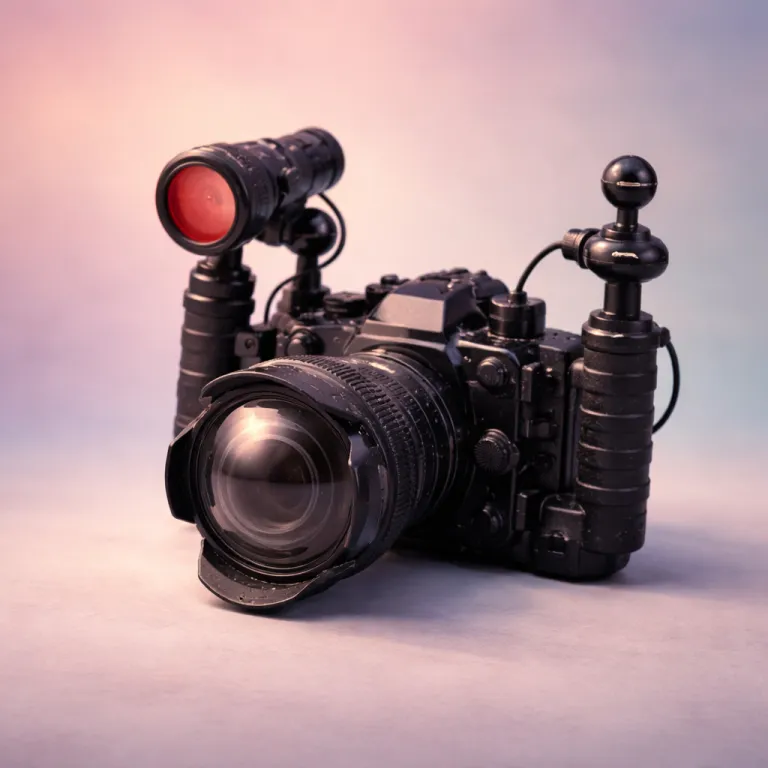
Why Coral Triangle nights change your underwater photography forever
Slip beneath the surface at night and the Coral Triangle rewrites every rule you know about light and photography. Species density here is unmatched, so each dive will reveal layers of nocturnal life that daytime underwater photographers never see. In this region, more than half of marine subjects are active after dark, which turns every night dive into a moving gallery of behavior, colour, and texture.
The combination of warm currents, nutrient rich dark water, and complex reef structure creates perfect angle opportunities for both macro and wide angle work. Biofluorescent corals ignite under blue light while hunting octopuses, Spanish dancers, and mandarinfish become headline subjects for any serious underwater photography portfolio. Because visibility typically drops by around one third at nighttime underwater, your strobe and focus light strategy matters more than the latest camera body or macro lens.
Think of each night dive as a carefully staged theatre set, where your strobes and focus lights are the only white light allowed on stage. Used well, artificial light will carve detail from the dark and let your camera isolate a single subject against velvet black water. Used carelessly, the same light will flatten the reef, blow out colours, and send shy subjects fleeing before you even achieve focus.
The essential night diving photography setup for Coral Triangle reefs
For couples travelling with a shared camera rig, the smartest investment is in lighting rather than chasing the newest underwater housing. A reliable focus light with adjustable power and a red mode lets you frame subjects without blasting harsh white light into sensitive eyes. As many instructors emphasise, "Use high ISO, slow shutter speed, and wide aperture."
On a typical Coral Triangle night dive, start with a shutter speed around 1/125 second to control ambient light, then adjust towards a fast shutter only when bioluminescence or backscatter becomes unmanageable. Your strobes should sit slightly behind the port and angled outward, which keeps the beam edges grazing the subject and reduces particles in dark water. For macro work, bring the strobes in close and narrow the angle, while wide angle scenes need the strobes pushed wider to evenly light reef structures and larger nighttime underwater subjects.
Macro lens choices define your style here, because Lembeh, Anilao, and similar sites reward patience with tiny, intricate subjects. A 60 mm macro lens is forgiving for beginners, while a 100 mm macro lens isolates skittish critters that will not tolerate a close approach. To deepen your understanding of marine behaviour and refine your composition instincts, pair your gear research with a guide such as this piece on expert marine life photography techniques.
Site by site: Lembeh, Bunaken, and Anilao after dark
Lembeh Strait in Indonesia is the Coral Triangle’s macro capital, and its volcanic sand slopes become a night photography playground. Here, every dive will reveal subjects like blue ring octopuses, bobtail squids, and stargazers that seem designed for close focus macro lens work. Because the background is usually dark sand rather than reef, a single strobe and a modest focus light can sculpt dramatic portraits without complicated wide angle setups.
Bunaken, by contrast, is about vertical walls and sweeping wide angle scenes where ambient light still lingers along the shallows. On a Bunaken night dive, position yourself slightly below the subject and shoot upward to keep the remaining light in the frame, then let your strobes fill the foreground reef. This is where underwater photographers who are comfortable with a fast shutter and careful strobe placement can create layered compositions that feel almost like day, yet still capture the mood of diving night conditions.
Anilao in the Philippines sits somewhere between the two, offering both rich reef structures and legendary macro subjects on a single night dive. Many couples split roles here, with one partner hunting for subjects using a dim focus light while the other handles the camera and strobes. To keep track of these varied experiences and refine your own top tips over multiple trips, consider keeping an elegant log in a dedicated ocean bound travel journal.
Fluorescence, focus lights, and camera settings that respect the reef
Biofluorescence is where night diving in the Coral Triangle feels almost unreal, as corals and some fish glow electric green and orange under blue excitation light. To photograph this, you need a specialised blue light or filtered white light on your camera, plus a yellow barrier filter on your mask and lens port. Because the scene is extremely dark, your camera will rely on higher ISO values and a slower shutter speed, while strobes usually stay off to avoid washing out the fluorescence.
For more conventional photography night work, continuous focus lights become your best friends, but they must be used with restraint. Red focus lights are increasingly popular because they help you achieve focus without startling sensitive subjects, and many guides in Lembeh and Anilao now insist on them during night dives. When you do switch to white light for a brief moment, angle it away from the subject first, then bring it in gradually so the animal has time to adjust rather than bolting into dark water.
Three core night diving photography tips apply across the Coral Triangle, regardless of whether you shoot macro or wide angle scenes. First, pre set your camera and strobes on the boat, because fumbling with buttons in the dark wastes bottom time and can stress marine life. Second, agree clear hand signals with your buddy about when light will be used for signalling versus framing, especially on a busy night dive where multiple focus lights and strobes can quickly overwhelm a small section of reef.
Safety, workflow, and building a Coral Triangle night portfolio
Remote Coral Triangle destinations reward experienced divers, but they also demand a disciplined approach to safety when you plan any diving night schedule. Always dive with a buddy, carry at least two independent lights, and brief exit points and currents with your guide before slipping into dark water. Local divemasters know which parts of the reef are fragile, which subjects tolerate light, and which should be admired without a camera.
A simple checklist keeps your underwater photography workflow calm and efficient on every night dive. Before leaving the resort, confirm that all strobes, focus lights, and the main camera light will run for the full planned bottom time, then add a margin for delays. On the boat, test every strobe and focus light, check that your macro lens or wide angle dome is clean, and agree who leads navigation so the photographer can concentrate on composition rather than the compass.
Couples building a long term portfolio should think in sequences rather than single frames, combining day and nighttime underwater images from the same reef system. Shoot wide reef vistas and natural ambient light scenes during the day, then return to the same bommies at night to capture hunting behaviour and close focus macro subjects. If you are still deciding whether your next trip should prioritise snorkelling friendly shallows or deeper sites suited to technical diving, this guide to choosing your ideal underwater adventure will help you match your photography goals to the right style of dive travel.
FAQ
What camera settings work best for Coral Triangle night dives ?
For most Coral Triangle night dives, start with a relatively fast shutter speed around 1/125 second, an aperture between f/5.6 and f/8, and ISO in the 400 to 800 range. Adjust shutter speed to control how much ambient light appears in the background, then fine tune strobe power to expose the subject correctly. Remember that volcanic sand and dark reef walls easily turn to black, so expose for the subject and let the background fall away.
How can I avoid startling marine life with my lights ?
Use red focus lights whenever possible, because many nocturnal species react less to red wavelengths than to harsh white light. Keep beams narrow, avoid shining directly into eyes, and limit the time your strobe or focus light stays fixed on a single subject. Move slowly, watch for stress signals such as rapid breathing or retreat, and be ready to back off if an animal changes behaviour.
What safety precautions are essential for night diving photography ?
Night diving photographers should always dive with a trusted buddy, carry at least one backup light, and agree clear communication signals before entering the water. Familiarise yourself with the site during a day dive so you understand the reef layout, currents, and potential hazards before returning in the dark. Keep situational awareness high by checking gas, depth, and time more frequently than during daylight dives.
Is macro or wide angle better for Coral Triangle night photography ?
Both macro and wide angle styles thrive in the Coral Triangle, but your choice depends on the site and your experience. Muck sites such as Lembeh favour macro lenses and tight compositions of small, rare subjects, while wall dives in Bunaken reward wide angle scenes with dramatic reef structure. Many photographers alternate, dedicating one night dive to macro and the next to wide angle, so they build a balanced portfolio across the trip.
Do I need special training for night diving with a camera ?
Formal training is not mandatory, but a dedicated underwater photography course that includes night modules will accelerate your progress and improve safety. Look for instructors who emphasise buoyancy control, light discipline, and marine life etiquette rather than just camera settings. Practise basic night diving skills without a camera first, then add your rig once you feel completely relaxed in the dark.