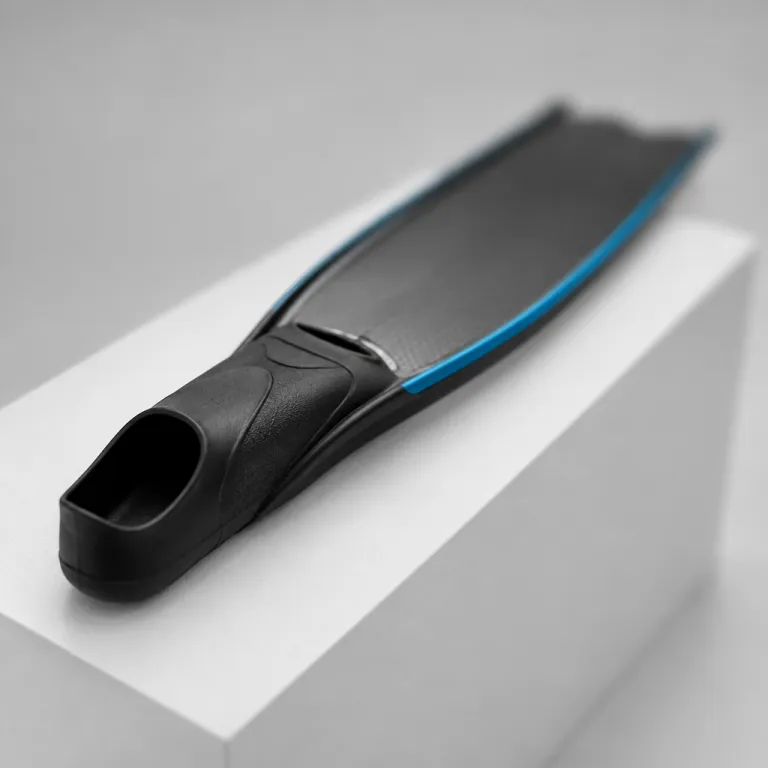
Understanding free diving fins as your primary underwater engine
Free diving fins are not accessories, they are your underwater engine. When you commit to serious freediving, the relationship between your foot, the fin, and the water defines how far and how safely you can travel. A well matched pair of fins transforms each dive into a controlled glide rather than an exhausting struggle.
Most freediving fins are longer than standard snorkeling fins, with elongated blades that channel water efficiently and reduce wasted effort during each kick. Typical freedive blades range from about 80 to 95 cm in length, compared with 50 to 65 cm for many snorkel fins, which helps maintain momentum on deeper descents. The length and stiffness of these blades, whether soft or more rigid, must suit your leg strength, your technique, and your typical dive depth. Choosing the wrong stiffness or blade material can increase oxygen consumption and shorten your bottom time during every freedive.
For marine travel, the balance between performance and packability becomes critical, especially when you combine freediving with spearfishing or underwater photography. A traveling diver freediving around coral reefs, wrecks, and drop offs needs fins that are responsive yet forgiving, particularly when currents shift quickly. This is why many experienced travelers own more than one pair of freedive fins, rotating between plastic freediving models and higher end carbon fins depending on the trip.
Materials and blades: plastic, fiberglass, and carbon compared
The material of your free diving fins determines how the blades flex, how they transfer power, and how they survive travel abuse. Entry level freediving fins usually feature plastic blades, which are durable, affordable in price, and tolerant of rough handling on dive boats and rocky shore entries. Plastic freediving blades, however, tend to be heavier and less reactive, so they return less energy with each kick during a deep freedive.
Fiberglass and carbon blades sit higher on the performance ladder, with carbon blades offering the most efficient energy return for experienced freedivers. Independent pool and depth tests by equipment reviewers consistently show that carbon fins require fewer kicks to cover a fixed distance than comparable plastic models, especially when divers maintain a streamlined position. Carbon fins feel light and snappy, which allows a diver freediving along a wall or blue water drop to maintain depth with fewer kicks and lower oxygen use. The trade off is that carbon freediving fins are more fragile at the edges and demand careful packing during marine travel.
Many brands now offer modular systems such as Cressi Gara Modular or similar designs, where you can swap plastic blades for carbon blades without changing your trusted foot pockets. This flexibility is invaluable when you want a quick transition from training in a pool with plastic freediving blades to ocean sessions with high performance carbon fins. For a deeper breakdown of travel friendly options, a comprehensive guide to choosing freediving portable fins for marine travel can help you compare models, materials, and realistic sale price ranges.
Foot pockets, fit, and comfort for long marine travel days
The interface between your body and your free diving fins is the foot pocket, and its fit matters more than any marketing claim. A well designed foot pocket cradles the foot firmly without crushing the toes or arch, allowing you to transfer power smoothly into the blades. Poorly fitting foot pockets cause hotspots, cramps, and wasted energy during every dive.
When you evaluate freediving fins, pay close attention to the shape and volume of the foot pockets, especially if you have a wide or narrow foot. Some models offer interchangeable foot pockets so you can fine tune the fit, while others rely on a single mold that may not suit every diver freediving in colder waters with thicker socks. Fin keepers, which are elastic straps worn around the heel and instep, can stabilize slightly loose fins foot without forcing you to downsize and risk discomfort.
Travelers who alternate between warm water and temperate seas should test their fins with both thin neoprene socks and thicker thermal socks to understand how the foot pocket behaves. A quick pool session before a big trip can reveal whether the pockets pinch, roll, or twist when you change direction sharply. Remember that a comfortable fin on land can feel very different after a long surface swim, so always view fit through the lens of real dive conditions rather than a shop floor impression.
Stiffness, technique, and matching fins to your freediving style
Blade stiffness is the hidden variable that often separates satisfying free diving fins from frustrating ones. Soft blades suit a relaxed, efficient kick cycle and are ideal for a beginner who is still refining technique and equalization. Stiffer blades can generate more thrust for strong legs, but they punish poor form and can quickly raise your heart rate.
For reef exploration and relaxed marine travel, many divers prefer soft or medium soft freedive fins that allow slow, wide kicks with minimal effort. When you combine freediving with spearfishing, you may want slightly stiffer gara fins or similar models to handle rapid ascents with extra weight. Always test how your fins respond to both slow cruising and quick acceleration, because real ocean conditions rarely stay constant.
Color can also play a role in your freediving gear selection, especially when you want to manage visibility underwater. Black fins remain classic and discreet, while blue or white black and black white patterns can improve buddy awareness in low visibility. Limited edition colorways, including blue and black or white and black combinations, may appeal aesthetically, but never let style override the need for a blade stiffness that truly matches your physiology and dive plan.
Design details, colors, and models that matter for travel
Beyond materials and stiffness, the design language of free diving fins influences both performance and travel practicality. Streamlined blades with subtle rails help channel water, while overly aggressive rails can catch on lines, kelp, or luggage interiors. When you pack multiple fins, masks snorkels, and other freediving gear, low profile designs reduce the risk of damage in transit.
Many travelers appreciate models such as Gara Modular, Gara 3000 LD, or Pro Star style fins because they balance performance with manageable length. Some brands offer gara fins in both full foot pockets and open heel versions, though full foot pockets remain the standard for serious freediving. A quick check of the sale price versus build quality often reveals that mid range fins deliver excellent value, especially when you factor in the cost of replacement blades or spare foot pockets.
Color choices such as black, blue, or white black combinations are not only aesthetic, they influence how easily your buddy can maintain a clear view of you in choppy surface conditions. Black white contrasts on the tips of blades can help a safety diver track your kicks during ascent, which becomes even more important when you rely on advanced dive computers that monitor heart rate, skin temperature, and depth for personalized safety. For a deeper look at how such instruments complement your fins and overall setup, explore guidance on how new dive computers are personalizing safety in modern freediving.
Budget, value, and when to upgrade your free diving fins
Price is always part of the conversation when you choose or upgrade free diving fins for marine travel. Entry level plastic freediving models often sit at a very accessible sale price, which makes them attractive for a beginner who is still testing commitment to the sport. These fins can last for many seasons of casual dive trips if you rinse them properly and avoid direct sun exposure on deck.
As your skills grow and your freedive sessions become deeper or longer, the value proposition of carbon fins and other advanced freediving fins becomes clearer. While the initial price is higher, the improved efficiency of carbon blades can extend your comfortable bottom time and reduce fatigue during repeated dives. Many divers move gradually, first upgrading to modular systems with replaceable blades, then investing in premium carbon blades once they have confirmed the ideal stiffness and foot pocket combination.
When you evaluate any sale, look beyond the headline sale price and consider the total cost of ownership, including spare fin keepers, replacement foot pockets, and travel bags. Some limited edition models command a higher price without offering meaningful performance gains, while understated black or blue fins may deliver better long term value. Always skip content that focuses only on fashion and instead view each fin, each blade, and each accessory through the lens of safety, efficiency, and the specific marine environments you plan to explore.
Key models, configurations, and practical pairing with other gear
In real travel scenarios, your free diving fins never operate alone, they interact with the rest of your freediving gear. Matching fins with low volume masks snorkels, streamlined weight systems, and appropriate wetsuits creates a coherent setup that moves cleanly through the water. A poorly balanced configuration can negate the advantages of even the best freedive fins.
Some divers favor classic gara fins with full foot pockets for warm water trips, then switch to modular systems with interchangeable carbon blades for colder destinations. Others keep a pair of pro star style plastic fins as a reliable backup in case airline damage or lost luggage interrupts a trip. Whatever your preference, always test how your fins foot alignment feels when you combine them with your usual socks, suit thickness, and any ankle weights.
Color coding your equipment can also streamline preparation on busy dive boats, especially when several guests use similar black or blue fins. Subtle white black or black white accents on the tips of blades, or a limited edition colorway, can help you identify your gear quickly during a rushed entry. Over time, as you log more dives and refine your technique, you will develop a clear view of which materials, blade stiffness levels, and pocket designs genuinely support your style of diver freediving in varied marine environments.
Key statistics about free diving fins and marine travel
- According to training materials and incident reviews from organizations such as DAN (Divers Alert Network), leg fatigue and cramps are frequently cited factors in aborted freediving sessions, and properly fitted fins with appropriate stiffness can noticeably reduce perceived exertion compared with mismatched fins.
- Market analyses from major equipment retailers show that plastic freediving fins still account for more than half of global freediving fin sales, reflecting their lower price and durability, while carbon fins are growing fastest in the advanced diver segment.
- Travel surveys among spearfishing and freediving communities indicate that modular fins with interchangeable blades now represent a substantial portion of new purchases, because they allow divers to switch from plastic blades to carbon blades without replacing foot pockets.
- Equipment testing by independent dive magazines has repeatedly found that soft to medium soft blades are preferred by a majority of recreational freedivers, especially those who dive shallower than 30 metres during typical marine travel itineraries.
FAQ about free diving fins for marine travel
How should free diving fins fit on the foot for long trips ?
Free diving fins should fit snugly around the foot without painful pressure points, allowing you to wiggle your toes slightly while still feeling secure in the foot pocket. When you plan marine travel, test the fit with the same neoprene socks you will use on the trip, because thickness changes the effective volume of the foot pockets. A secure fit reduces friction, prevents blisters, and ensures efficient power transfer during every dive.
Are carbon fins worth the higher price for recreational freediving ?
Carbon fins offer superior energy return and lighter weight compared with plastic freediving models, which can benefit divers who already have solid technique. For recreational freediving in shallow to moderate depths, well designed plastic or fiberglass fins often provide excellent performance at a lower price. Carbon blades become more worthwhile when you dive frequently, travel often, and want to minimize fatigue during repeated deep dives.
What stiffness of blades should a beginner choose ?
A beginner is usually better served by soft or medium soft blades, which encourage relaxed, efficient kicking and reduce the risk of leg cramps. Stiff blades demand strong legs and refined technique, and they can quickly increase oxygen consumption if used incorrectly. Starting with softer freedive fins allows new divers to focus on equalization, relaxation, and safety before considering stiffer options.
Can I travel with long freediving fins on regular airlines ?
Most airlines accept long freediving fins as part of standard checked luggage, provided you pack them in a rigid or semi rigid bag to protect the blades. Many travelers place fins along the side of a suitcase, padding them with clothing and other freediving gear to prevent bending. Modular systems, where blades detach from foot pockets, can make packing easier and reduce the risk of damage.
How often should I replace my free diving fins or blades ?
The lifespan of free diving fins depends on material, usage frequency, and care, but many plastic blades last several seasons of regular travel and diving. Carbon blades may show performance loss sooner if they suffer repeated impacts or edge damage, so inspect them regularly for cracks or soft spots. Replace fins or blades when you notice reduced snap, visible damage, or persistent discomfort that does not resolve with simple adjustments.