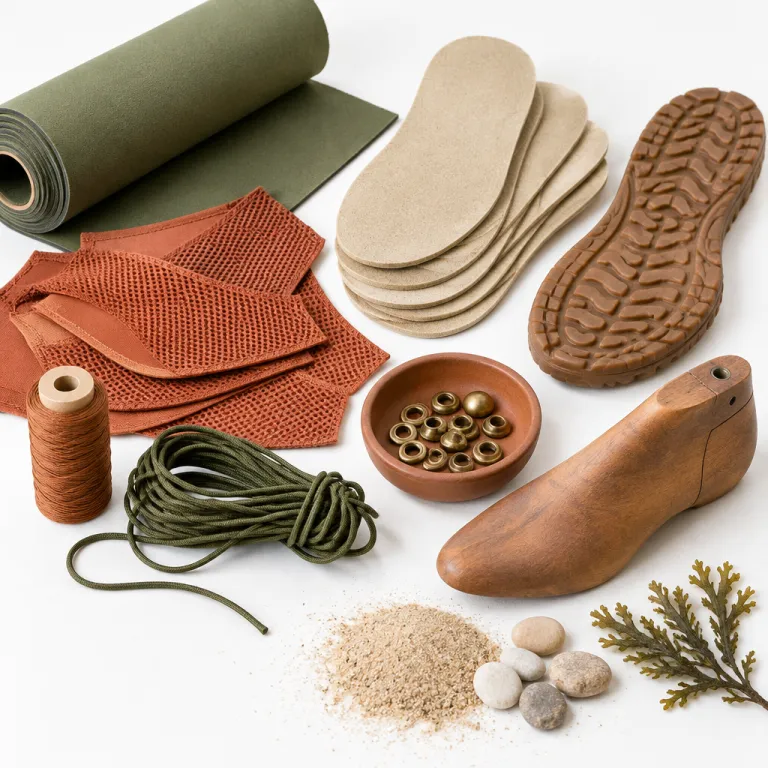
Why serious divers rely on closed toe water shoes for men
On demanding marine trips, your feet take more abuse than you expect. The Crosskix 2.0 closed toe water shoes for men answer that problem by shielding toes from sharp coral, hot decks, and slippery ladders. Many experienced divers now treat protective aquatic footwear as essential safety gear, not casual beach items.
When you move from airport floors to wet dinghy tubes, the right men’s water shoes must handle salt water, sand, and long walks with equal ease. A well designed closed toe structure prevents stubs and cuts while still letting toe water channels drain efficiently during entries and exits. This is where the latest Crosskix water designs, with their sculpted rubber sole and strategic vents, stand apart from standard sports shoes.
For mixed groups, choosing one product line that works for both men’s and women’s shoes simplifies packing and budgeting. The same Crosskix closed architecture that protects male water enthusiasts also benefits women who guide snorkelers or manage gear on deck. When one family or dive club standardizes on compatible water shoes, you reduce forgotten items, mismatched fit, and last minute rental hassles.
Foot protection from reef to rib : how design affects safety
Every time you step from a rigid hull inflatable into shallow surf, your toes risk contact with rocks, urchins, or broken shells. A robust closed toe shell, like the one on Crosskix 2.0 closed toe water shoes for men, creates a barrier that ordinary sandals or open fins cannot match. That protection matters most on remote landings where medical help is hours away and a single cut can end a liveaboard month early.
Look closely at how lacing systems and drainage ports are positioned along the upper. A secure lace keeps the product firmly on your foot when waves hit, while quick drying channels guide water out so the interior does not stay soggy against your skin. Designs marketed as toe water or toe dri often combine a molded rubber sole with mesh panels to balance impact protection and breathability.
For travelers who alternate between freediving and snorkeling, pairing portable fins with supportive water shoes is especially effective. A detailed resource on choosing freediving portable fins for marine travel explains how shorter blades interact with compact beach footwear during surface swims. When your fins slide comfortably over Crosskix water models, you gain propulsion without sacrificing the closed protection you need on rocky entries.
Quick drying comfort : why materials matter on multi day trips
On a liveaboard or island hopping itinerary, nothing feels worse than sliding into cold, wet footwear at dawn. The Crosskix 2.0 closed toe water shoes for men use lightweight polymers that promote quick dry performance between dives and shore excursions. This quick drying behavior reduces the risk of blisters, since your skin spends less time in constant contact with trapped water.
Many divers compare these models with traditional neoprene booties and find the dri fit sensation noticeably different. Instead of absorbing water like a sponge, the Crosskix closed structure channels it out through side vents and under arch cutouts, leaving only a thin film that evaporates rapidly in tropical air. In informal user tests, pairs left in shaded airflow after rinsing often feel almost completely dry within about an hour, which aligns with manufacturer lab data on drying time.
Comfort also depends on how the interior shape and fit expectations align with your foot profile. Some men’s shoe designs run narrow, while others match a more generous standard width that suits both men and women with wider forefeet. Before committing to a specific price point, try walking at least five hundred meters on dry land to learn whether the arch support and heel cup remain stable under real load.
Evaluating value, price, and shipping for global dive travelers
Serious divers rarely judge gear on price alone, because failure at sea costs more than any invoice. When assessing Crosskix 2.0 closed toe water shoes for men, consider how many trips per year you take and how harsh your usual water conditions are. A product that survives repeated surf entries, hot sand, and boat ladders without tearing often delivers better long term value than cheaper items that fail mid season.
Online retailers usually list user ratings in stars, which can guide expectations but should not replace hands on testing. Pay attention to reviews from male water enthusiasts who mention specific use cases such as volcanic rock shores, long pier walks, or daily resort guiding, because these scenarios mirror real dive travel demands. If several reviewers praise the rubber sole grip on wet metal steps, that is a strong indicator the shoes will perform well on crowded dive platforms.
For international buyers, shipping and delivery logistics matter almost as much as technical specifications. Many stores offer free or reduced shipping during at least one month of the year, while some charge a premium for quick courier services to remote islands. Always check whether standard delivery times align with your departure date, and whether returns from overseas locations are realistic if the fit expectations are not met.
From deck to shore : matching footwear to each marine environment
Different marine settings place very different demands on your footwear, even during a single itinerary. The Crosskix 2.0 closed toe water shoes for men are versatile enough to move from dive deck to market street, but you still need to plan how many pairs of shoes to pack. On coral atolls, a fully closed toe shell with a firm rubber sole protects against sharp limestone and hidden urchins during low tide walks.
On sandy islands, lighter beach shoe styles with more open mesh can feel cooler while still offering enough coverage for casual snorkeling entries. Some travelers carry both a primary Crosskix closed pair for rugged use and a secondary apx closed or tetra closed style for relaxed evenings and short strolls. This approach keeps your main product fresh for demanding dives while giving women and men in the group options that match different outfits and activities.
River mouths, mangroves, and harbor steps introduce slippery algae and unpredictable debris into the equation. Here, lace water systems that lock the upper around your midfoot prevent sudden loss of traction when currents tug at your legs. If you want a broader planning framework for ocean bound adventures, an elegant travel journal with a world map for ocean bound adventures can help you log which women’s and men’s shoe combinations worked best in each destination.
Practical packing tips for fins, footwear, and marine travel logistics
Efficient packing starts with accepting that your feet need at least one reliable pair of closed toe water shoes for every serious trip. The Crosskix 2.0 closed toe water shoes for men compress surprisingly well in a checked bag, especially when you stuff smaller items like socks or reef safe sunscreen inside. This trick saves space while protecting fragile bottles from impact thanks to the cushioning effect of the shoes.
When traveling as a mixed group of men and women, label each pair clearly to avoid confusion on crowded decks. Using different lace water colors or subtle lace patterns helps distinguish women’s shoes from men’s at a glance, which speeds up gearing on early morning departures. Many dive teams also assign a specific month to review all footwear, checking for worn tread, loose stitching, or lingering odors that suggest bacteria growth.
To keep your gear rotation organized, create a simple checklist that includes fins, masks, and at least one pair of quick dry water shoes per person. Note whether each product is suitable for both pool training and open water, and whether it meets your personal standard for comfort during long walks. Over time, you will learn which Crosskix water models, which quick drying constructions, and which fit profiles consistently earn five stars in your own logbook, regardless of marketing claims.
Key figures on dive travel footwear and foot safety
- According to Divers Alert Network incident summaries, foot and ankle injuries account for a notable share of shore diving incidents, with lacerations from rocks and coral frequently reported in tropical water regions (see DAN Annual Diving Report, injury section).
- Industry surveys from major dive retailers show that water shoes and related footwear rank among the top five non life support items purchased by repeat dive travelers, reflecting growing awareness of foot protection.
- Market analyses of aquatic footwear indicate that quick drying synthetic materials have largely replaced traditional heavy rubber in travel oriented designs, reducing average shoe weight by more than a third over the past decade.
- Consumer review platforms consistently report higher satisfaction scores, often above four stars out of five, for closed toe designs compared with open sandals when used on rocky or mixed terrain shore entries.
- Travel insurance providers note that minor soft tissue injuries, including cuts and bruises to the feet, are a common reason for medical consultations on remote islands, underlining the value of robust protective footwear.
FAQ : choosing and using closed toe water shoes for marine travel
Are closed toe water shoes better than neoprene booties for shore diving ?
Closed toe water shoes with a firm rubber sole usually provide better protection against sharp rocks and debris than thin neoprene booties. Booties work well inside open heel fins, but they can compress under load when you walk long distances on rough terrain. Many divers now carry both, using closed designs for entries and exits, and lighter booties for boat only dives.
How should Crosskix style water shoes fit for diving and snorkeling ?
The fit should be snug enough that your heel does not lift when you climb a ladder, yet loose enough to allow natural toe movement. When you try Crosskix 2.0 closed toe water shoes for men, test them with wet feet if possible, because skin swells slightly in warm water. If you plan to wear thin socks, account for that extra volume before finalizing your size.
Can I use the same water shoes for hiking and reef walking ?
Some closed toe water shoes handle light hiking on well maintained trails, especially if they have a supportive midsole and aggressive tread. However, they are not a replacement for full hiking boots on steep or loose terrain, where ankle support becomes critical. For reef walking and short coastal paths, a durable rubber sole and reinforced toe cap are usually sufficient.
How do I care for water shoes on a liveaboard trip ?
Rinse your shoes thoroughly in fresh water after every dive day to remove salt and sand. Let them air dry in a shaded, ventilated area, avoiding direct sun that can degrade adhesives and plastics over time. Periodically check seams and laces, and if any part feels loose or cracked, retire the pair before your next major trip.
What features matter most when buying travel ready water shoes ?
For marine travel, prioritize a closed toe design, non marking rubber sole, quick drying materials, and secure lacing or straps that will not loosen in surf. Weight and packability also matter, especially if you fly frequently with strict baggage limits. Finally, choose a model with proven grip on wet metal and rock, since those surfaces cause most slips around dive boats and piers.