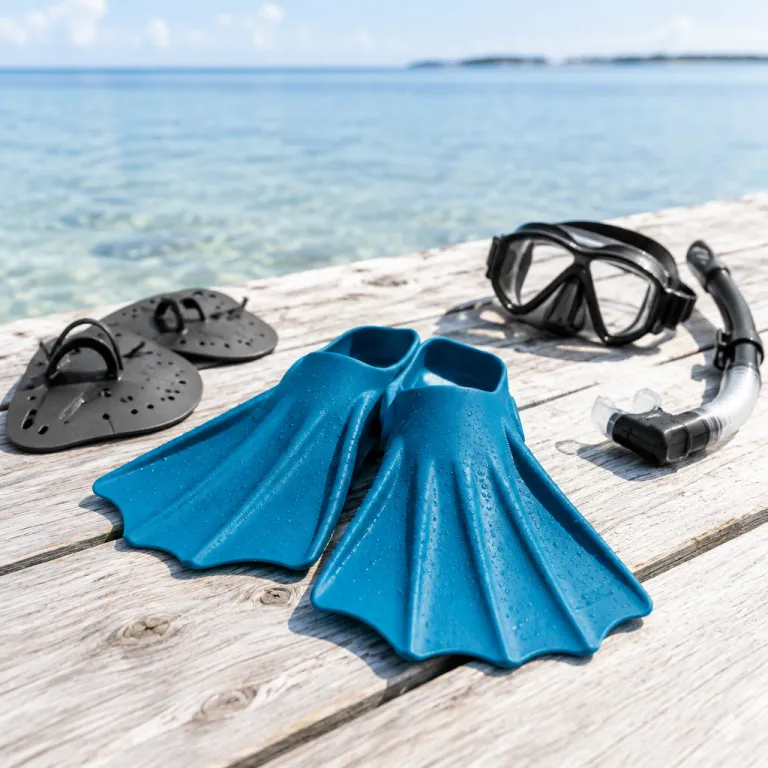
Why hand flippers for swimming matter for divers and marine travellers
Hand flippers for swimming sit at the crossroads of pool training and open water exploration. When you use these compact swim paddles during a session, you immediately feel how the extra surface area changes your relationship with the water. That same refined swimming technique then follows you into current-swept channels, coral gardens, and long surface swims from dive boats.
For divers who travel often, the right hand paddle becomes a lightweight tool to build upper-body strength without packing heavy gym equipment. A carefully chosen product from brands such as Finis, Arena, or Sporti can turn a short hotel pool swim into targeted stroke training that improves every pull. Over time, these training paddles teach your hands to anchor cleanly in the water, so each power swim on a liveaboard trip feels smoother and more efficient.
Many marine travellers underestimate how much a refined stroke technique reduces fatigue during long snorkel drifts. By using hand paddles and power paddles in structured pull sets, you learn to hold a high-elbow catch and maintain alignment even when waves or chop disturb the surface. That improved control over your hand position translates directly into better air consumption, calmer movements around marine life, and more relaxed underwater photography sessions.
Key types of hand paddles and what they change in your stroke
Not all hand flippers for swimming behave the same way in the water. Classic swim paddles with silicone straps lock the hand firmly to a broad blade, creating high water resistance that quickly exposes flaws in your stroke. Strapless paddles, by contrast, tend to fall away if your hand entry or pull path is incorrect, giving instant feedback that many travelling divers find invaluable.
The Finis Agility paddle is a well-known strapless design that encourages a natural feel for the water while still building functional strength. Arena Elite hand paddles, often praised by competitive swimmers, focus more on precise stroke mechanics and are popular among freedivers who want efficient surface swim capability. Sporti Power paddles and the wider Sporti hand paddle range offer budget-friendly options at a lower price, which suits travellers assembling a compact list of gear for multi-destination trips.
When planning your swim training before a liveaboard or reef holiday, think in terms of a small paddle quiver rather than one single option. A pair of strapless technique paddles, a set of silicone-strap models for strength, and perhaps a compact elite hand paddle for mixed sessions will cover most needs. For a deeper dive into how portable fins and related options fit into marine travel packing, see this comprehensive guide to choosing freediving portable fins for marine travel on our site.
| Model | Strap style | Typical size range* | Best use case |
|---|---|---|---|
| Finis Agility | Strapless, contoured | Approx. 120–190 cm² | Technique drills, high-elbow catch, frequent travel sessions |
| Arena Elite | Dual silicone straps | Approx. 150–230 cm² | Strength-focused sets, experienced swimmers, surface conditioning |
| Sporti Power / hand paddles | Adjustable silicone straps | Approx. 110–210 cm² | Budget-friendly mixed training, gradual progression in resistance |
*Surface areas compiled from typical manufacturer size charts; exact figures vary slightly by model and size.
Design details that matter: straps, strapless shapes, and water resistance
When you evaluate hand flippers for swimming for serious travel use, design details become more than marketing language. Silicone straps should feel supple yet secure, because poorly designed straps can chafe during long pull sets or break mid-trip when replacements are hard to find. A well-engineered strap system also keeps the hand centred on the paddle, which maintains consistent water resistance and reliable feedback on every stroke.
Strapless paddles such as the Finis Agility rely on contouring around the hand and forearm rather than straps, which many divers appreciate when they want a quick transition between free swimming and drill work. These strapless options encourage a relaxed grip and punish over-gripping, which helps refine swimming technique for photographers who must hold cameras without tensing the shoulders. In contrast, more traditional swim paddles with dual silicone straps allow harder power swim sets that build strength for demanding surface approaches to offshore pinnacles.
Shape and size also influence how each product feels during a swim. Larger power paddles or Arena Elite models generate significant drag, so they suit experienced swimmers who already control their stroke technique and shoulder mobility. Smaller Sporti paddles, often highlighted for value in user reviews, provide a gentler introduction for travellers who want to protect their joints while still improving hand placement and overall swimming efficiency.
Building an effective training pull routine before your next dive trip
Structured pull sessions with hand flippers for swimming can transform how you handle currents and long surface swims on expedition. Start with a simple warm-up of free swim without any paddles, focusing on relaxed breathing and a long body line. Once the muscles are ready, add hand paddles for short sets that emphasise a clean catch and controlled power through the water.
A classic routine for marine travellers pairs a pull buoy with swim paddles for 6 × 100 m, alternating between technique-focused lengths and power lengths. On the technique lengths, use a smaller hand paddle or strapless design to refine stroke mechanics and feel the water sliding evenly along the forearm. On the power lengths, switch to larger power paddles or Sporti Power models to build strength that will later help you tow a surface marker buoy or carry a camera rig.
To keep shoulders healthy, limit heavy paddle work to two or three sessions per week and vary the product options you use. Include some sets with Finis Agility paddles, some with Arena Elite or similar elite hand designs, and some with more flexible Sporti models. Over several weeks of consistent swim training, you will notice that your swimming technique feels calmer, your stroke stays compact in chop, and your perceived effort during long snorkel drifts drops noticeably.
Choosing the best swim paddles for travel: price, ratings, and packing strategy
Selecting hand flippers for swimming for a marine travel kit involves more than grabbing the first paddle on a shelf. Start by defining your priorities in a clear list that balances price, durability, and the specific stroke improvements you want. Travellers who focus on reef snorkelling may favour lighter strapless paddles, while technical divers planning strong-current sites might invest in robust power paddles with secure silicone straps.
Online reviews and star-rating systems can help, but read beyond the numbers to understand how each product behaves in real water. Finis Agility paddles often receive positive feedback from coaches for stroke technique cues, whereas Arena Elite hand paddles are praised for their precise feel during high-speed sets. Sporti Power paddles and other Sporti hand models usually stand out for value, offering a lower price without sacrificing enough quality to compromise serious swim training.
Packing strategy matters when you travel frequently for diving. Flat swim paddles slide easily along the side of a fin bag, and a compact hand paddle set can even fit inside many full-foot fins to save space. If you maintain a small gear list that includes one elite hand model, one general-purpose paddle pair, and perhaps a strapless option, you will always have the right tool to tune your stroke and strength wherever you find a pool or calm lagoon.
From pool to open ocean: applying paddle based technique to real marine travel
The real value of hand flippers for swimming appears when you leave the pool and enter open water environments. Every hour spent refining stroke technique with hand paddles translates into calmer movements when you approach fragile coral or shy pelagic species. That control over your hand path and power output also reduces accidental fin kicks and silt clouds, which matters on wreck penetrations and delicate reef walls.
Many underwater photographers use a mix of strapless paddles and traditional swim paddles in pre-trip training to stabilise their upper body. By rehearsing slow, controlled power swim drills, they learn to generate just enough propulsion to hold position in gentle current without sculling frantically with their hands. This disciplined swimming technique keeps the water around the camera clear and helps maintain respectful distances from marine life during long shoots.
For travellers planning extended itineraries, keeping a concise product list is essential, and a single versatile hand paddle set can earn its place beside masks and fins. During surface intervals, a short swim training session with Finis Agility or Arena Elite paddles maintains fitness without exhausting you before the next dive. If you enjoy journalling your journeys, pair these sessions with an elegant travel journal for ocean-bound adventures, as described in our dedicated article on an elegant travel journal with world map for ocean bound adventures, to track how your strength and confidence in the water evolve from trip to trip.
Key figures on swim paddles, training benefits, and open water performance
- Coaching manuals and applied swimming biomechanics texts note that adding paddles increases the effective propulsive surface of the hand, which raises water resistance and can accelerate strength gains when used correctly. Laboratory tests on front crawl pulling typically report increases in propelling surface area of roughly 20–40% when moving from bare hands to medium-sized paddles, depending on hand size and paddle design.
- Reports from swim coaches suggest that structured paddle-based training two to three times per week can improve front crawl efficiency over several months, especially when combined with technique drills and aerobic sets. Small applied studies on distance swimmers have documented stroke length improvements in the range of 5–10% after targeted pull work, although individual responses vary with baseline fitness, stroke quality, and overall training volume.
- In open water events longer than 3 km, athletes who regularly incorporate technique-oriented paddle drills often describe lower perceived exertion compared with those who focus only on free swimming, indicating that refined mechanics may reduce fatigue in choppy or current-affected conditions.
- Usage data shared by major swim brands such as Finis and Arena consistently show that hand paddles and power paddles rank among their most frequently purchased accessories for triathletes and freedivers, reflecting their central role in building strength for demanding marine environments.
- Informal travel surveys among liveaboard guests and dive coaches indicate that a growing share of experienced divers now pack at least one pair of compact swim paddles or a strapless hand paddle, highlighting how training tools once limited to pools have become standard items in marine travel gear lists.
FAQ: hand flippers for swimming and marine travel
Are hand flippers for swimming useful for scuba divers and snorkellers ?
Hand flippers for swimming are highly useful for divers and snorkellers because they build upper-body strength and refine stroke technique before you reach remote sites. By training with swim paddles and hand paddles in a pool, you learn to move efficiently on the surface, conserve energy in currents, and maintain better control around fragile reefs. This preparation leads to calmer, more enjoyable marine travel experiences.
How should I choose the right size of hand paddles ?
Size choice depends on your current swimming technique, shoulder health, and training goals. Smaller Sporti paddles or Finis Agility models are safer for beginners and for high-frequency swim training, because they create moderate water resistance while still improving feel for the water. Larger Arena Elite or Sporti Power paddles suit experienced swimmers who already have strong shoulders and want more intense power sets.
Can using paddles cause shoulder injuries during training pull sets ?
Paddles can contribute to shoulder strain if they are too large, used with poor stroke technique, or included in excessive pull volumes. To reduce risk, start with modest sizes, focus on clean hand entry and alignment, and limit heavy power paddle work to a few sets per session. If you feel discomfort, switch to smaller hand flippers for swimming or strapless designs that encourage better mechanics.
Are strapless design paddles better than paddles with silicone straps ?
Neither style is universally better, because each serves a different purpose in swim training. Strapless paddles such as Finis Agility tend to slip off when your stroke deteriorates, which makes them excellent for learning correct hand positioning. Paddles with silicone straps, including many Sporti Power and Arena Elite models, stay firmly attached and are better for building strength during demanding sets.
How many times per week should I train with hand flippers before a dive trip ?
Most swimmers and divers benefit from using hand flippers for swimming two or three times per week in focused sessions. Combine free swimming, technique drills with smaller hand paddles, and short power sets with larger power paddles to balance skill and strength. This approach prepares you for long surface swims and variable conditions without overloading your shoulders before travel.