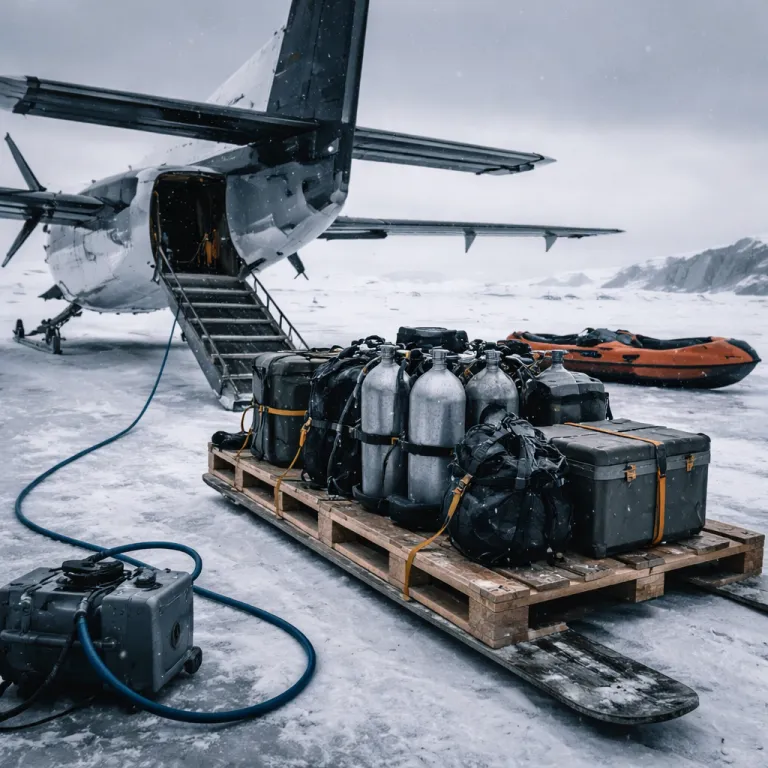
Air gateways to the white continent for divers and marine travelers
For anyone planning polar diving or marine travel, airports in Antarctica sit at the heart of every itinerary. These remote air gateways link research station life, expedition cruise logistics, and the fragile underwater world that attracts technical divers and wildlife enthusiasts. Understanding how each airport, heliport, and station skiway operates helps you plan safer travel Antarctica routes and realistic connections with ships and liveaboards.
Unlike a typical airport in temperate regions, every antarctica airfield exists primarily to support scientific bases and logistics. Various national research programs act as operators, maintaining ice runway infrastructure so personnel, cargo, and emergency evacuations remain possible in brutal weather. These airports in Antarctica are not tourist hubs, yet carefully managed charter travel allows a small number of divers to reach the antarctic coastline and its extraordinary marine ecosystems.
Because antarctica has no cities, each base and station depends on a mix of fixed wing aircraft, helicopters, and ski equipped planes. Aircraft landings on blue ice surfaces or compacted snow skiway strips demand specialized pilot training and strict weather windows. Travel planning therefore must remain flexible, as sudden storms can close a runway or station skiway for days and delay both inbound and outbound flights.
For divers, the remoteness of airports antarctica means every piece of gear, from drysuits to regulators, must be self sufficient. Air transport supports the delivery of scientific instruments, decompression chambers, and emergency medical supplies to coastal station heliport facilities. This logistical backbone allows marine researchers and expedition teams to work safely along the antarctic shoreline, where ice cliffs, penguin colonies, and rich benthic life meet the Southern Ocean.
From south america to the ice: key international gateways
Most marine travelers heading south toward antarctica begin their journey in south america, where a major international airport acts as the first hub. In argentina, Buenos Aires offers long haul connections and links with Aerolíneas Argentinas for domestic legs toward the southern tip. From this capital city, divers and cruise guests route through regional airports before approaching the Drake Passage and the antarctic Peninsula.
Two cities dominate this southern funnel, with ushuaia in argentina and Punta Arenas in arenas chile serving as primary departure points. Ushuaia’s port hosts many cruise ships that cross the Drake Passage, while its nearby airport handles charter flights that sometimes connect with antarctic airstrips. Punta Arenas, by contrast, is closely tied to several antarctic programs and often serves as the launch point for flights to blue ice runways and inland bases.
Each international airport in these gateway cities uses an IATA code and ICAO code that you will see on tickets and expedition documents. Understanding the IATA code and ICAO code for your flights helps you track schedule changes, especially when weather in antarctica forces last minute adjustments. When planning complex itineraries that combine flights and ships, divers should also review how long their scuba tank will last underwater to align dive profiles with tight logistics, using reliable planning resources such as this guide on accurately estimating scuba tank duration.
Because travel antarctica remains highly specialized, most flights from south america to antarctic airfields operate as charters rather than scheduled services. Operators coordinate with research station teams to secure runway slots, confirm ice runway conditions, and align cargo loads with scientific priorities. For divers joining small ship expeditions, this means itineraries can change quickly, and flexibility is essential when connecting between airports and remote antarctic bases.
Ice runways, skiways, and blue ice surfaces explained
Once you leave the relative comfort of south america’s airports, the aviation landscape in antarctica changes dramatically. Instead of paved runways, most antarctic air operations rely on ice runway systems, compacted snow skiway strips, or naturally hardened blue ice surfaces. These unique infrastructures support the movement of people and cargo between coastal bases, inland research camps, and the south pole region.
An ice runway is carefully prepared on sea ice or glacial ice, with crews grooming the surface to support wheeled aircraft. Station teams monitor ice thickness, surface friction, and hidden cracks, because any weakness can threaten both the aircraft and the antarctic station it serves. Increased use of ice runways has gone hand in hand with advancements in cold weather aviation technology, allowing heavier aircraft to reach more remote scientific sites.
A skiway, by contrast, is designed for ski equipped planes that can land on compacted snow rather than bare ice. Each station skiway must be regularly maintained, as drifting snow, sastrugi, and changing weather can quickly degrade landing conditions. For divers and marine travelers, understanding whether your flight uses a skiway or ice runway helps you anticipate potential delays and appreciate the operational limits of antarctic aviation.
Blue ice areas, often found near mountains or in katabatic wind zones, create naturally hard surfaces that function almost like concrete. These blue ice runways are prized because they can support heavy aircraft and remain usable for longer periods during the austral summer. However, even the best prepared airports in Antarctica remain vulnerable to sudden weather shifts, meaning every antarctic travel plan must include contingency days and robust communication with expedition operators.
Key antarctic airfields, stations, and their marine relevance
Among the many airports antarctica hosts, McMurdo Station’s airfields are widely regarded as the busiest and most complex. McMurdo Station supports several ice runway and skiway options, enabling the united states program and international partners to move scientists, divers, and cargo across the continent. These airfields form a critical bridge between coastal research on marine ecosystems and inland projects near the south pole.
Further along the antarctic coastline, numerous bases maintain smaller airstrips or heliport facilities that link directly to marine research zones. A heliport near a coastal base allows rapid access to sea ice edges, polynyas, and dive sites where teams study krill, seals, and benthic communities. For divers, these helicopter supported operations can mean shorter transit times from station to water, but they also depend heavily on clear weather and stable ice.
In the sector known as queen maud Land, several nations operate stations with associated skiway infrastructure. Each station skiway in queen maud Land supports flights that bring in oceanographers, ice core specialists, and occasionally technical divers working on under ice projects. Because these airports in Antarctica are primarily logistical nodes, any tourist oriented travel antarctica must fit around scientific priorities and strict safety protocols.
Some coastal stations also coordinate with cruise operators that stage fly in, fly out voyages, reducing time spent crossing the Drake Passage. In these cases, passengers may fly from Punta Arenas or ushuaia to an antarctic airstrip, then transfer by small boat to a waiting cruise vessel. This hybrid model shortens the rough sea passage while still relying on the fragile network of antarctic runways, heliports, and bases that keep the continent supplied year round.
Weather, safety, and operational limits for polar air travel
Every airport and heliport in antarctica operates under the constant influence of extreme weather, which shapes both safety margins and travel reliability. High winds, blowing snow, and sudden whiteouts can close a runway with little warning, stranding passengers and delaying cargo. For divers planning marine expeditions, this means building generous buffers into itineraries and avoiding tight connections between south america flights and antarctic segments.
Travel is restricted to authorized personnel, and specialized training required for pilots. Aircrews flying between south america and antarctica must master cold weather procedures, including engine management on ice runway surfaces and navigation in low contrast conditions. These skills are essential when operating near bases like McMurdo Station or inland sites closer to the south pole, where weather can deteriorate within minutes.
Because there are no conventional international airports on the continent, each antarctic base coordinates with partner nations to manage traffic. International research collaborations share weather data, runway status reports, and emergency plans to ensure safe operations across multiple airports in Antarctica. This cooperative approach allows limited tourist charter flights to operate while keeping scientific logistics and safety at the forefront.
For marine travelers, understanding these constraints helps set realistic expectations about delays and rerouting. A storm over queen maud Land or the antarctic Peninsula can ripple back to ushuaia, Punta Arenas, and even Buenos Aires, affecting connections across south america. When planning travel antarctica, divers should work with operators who maintain direct links to station managers, monitor weather continuously, and can adjust cruise or flight schedules without compromising safety.
Planning a polar diving itinerary through southern air hubs
Designing a diving focused journey that uses airports in Antarctica begins with careful routing through south america. Many itineraries start at a major international airport in Buenos Aires, then continue south via Aerolíneas Argentinas to ushuaia or Punta Arenas. From these southern cities, travelers connect with charter flights that link directly to antarctic airstrips or to coastal ports where cruise vessels await.
In Punta Arenas, the airport often serves as a staging point for flights to blue ice runways and coastal bases. Some operators coordinate with the nearby Presidente Carlos Ibáñez del Campo airport, commonly shortened in travel materials to references like carlos ibanez or presidente carlos, when describing logistics. From this hub in arenas chile, charter aircraft equipped for ice and skiway operations head south toward antarctica, carrying both scientists and a limited number of expedition guests.
Ushuaia’s airport, meanwhile, supports both domestic argentina flights and international links that feed into cruise operations. Many ships depart from ushuaia to cross the Drake Passage, while some programs combine a flight to an antarctic runway with a shorter cruise segment. For divers, choosing between a full Drake Passage crossing and a fly in option depends on sea tolerance, time available, and the specific marine regions they hope to explore.
Throughout this planning, attention to each airport’s IATA code and ICAO code helps avoid confusion between similarly named airfields. Operators experienced in travel antarctica will provide detailed briefings on baggage limits, weather contingencies, and the role of each base or heliport in the itinerary. By aligning flight schedules, cruise departures, and dive plans, marine travelers can navigate this complex network of antarctic and south american airports with greater confidence and safety.
Equipment, environmental ethics, and future trends in polar air access
For divers and marine travelers, the unique nature of airports in Antarctica has direct implications for equipment choices and environmental responsibility. Limited cargo capacity on flights to ice runway or skiway strips means every kilogram of dive gear must be justified. Travelers should prioritize reliable exposure protection, redundant regulators, and safety tools while minimizing non essential items that strain antarctic logistics.
Cold water diving near antarctic bases demands careful planning of gas consumption, thermal protection, and emergency procedures. Resources that explain how to manage gas reserves, exposure times, and safety stops are invaluable, as are innovations in gear visibility and safety such as the color changing wetsuit technologies discussed in this article on wetsuit innovation for polar divers. These advances complement the aviation side, where innovation in ice runway construction techniques and aircraft performance continues to expand safe access.
Looking ahead, increased use of ice runways and blue ice surfaces is likely as research programs grow. However, every airport, heliport, and station skiway must balance operational needs with strict environmental protections in antarctica’s fragile ecosystems. Airfield operations support research stations with logistics, and their objectives are to facilitate personnel transport, enable cargo delivery, and support emergency evacuations.
For travelers, this means choosing operators who respect antarctic treaties, minimize emissions, and coordinate closely with bases from queen maud Land to McMurdo Station. As international collaborations deepen between the united states, argentina, chile, and other nations, the network of airports antarctica relies on will remain primarily a scientific lifeline. Marine travelers who understand this context can align their polar ambitions with the continent’s long term conservation and research priorities.
Key statistics about antarctic airfields and operations
- Number of operational airfields supporting antarctic research and logistics : 47 airfields.
- Longest runway length used for antarctic operations : approximately 11 kilometres.
- Airfield activity occurs on a continuous, year round basis to sustain research.
- Air transport enables timely delivery of supplies and maintenance of station operations.
- Increased reliance on ice runways reflects advancements in cold weather aviation technology.
Common questions about airports in Antarctica and polar travel
Are there commercial flights to Antarctica ?
No, only chartered and research flights operate.
Which is the busiest airfield in Antarctica ?
McMurdo Station's airfields handle the most traffic.
Can tourists fly to Antarctica ?
Limited tourist flights exist, primarily via charter.