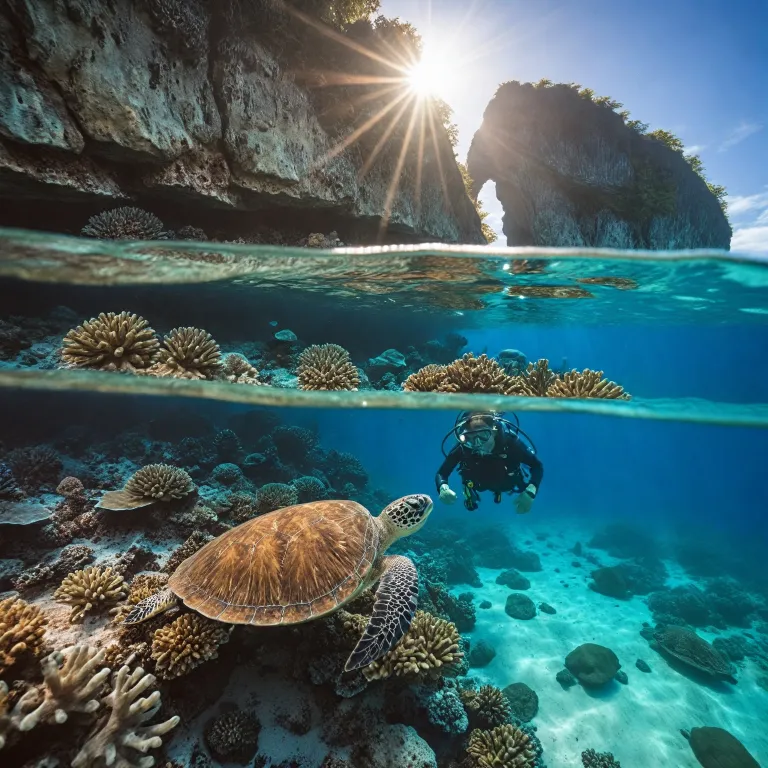
Why a raja ampat liveaboard belongs on every diver’s wish list
A raja ampat liveaboard places you at the heart of one of the richest marine environments on the planet. Sailing among more than 1 500 islands, each rugged island rises from the sea with limestone cliffs, hidden lagoons, and dense forest. The ampat region sits in the Coral Triangle, where warm pacific currents nurture coral reefs that host extraordinary marine life.
From a liveaboard you wake close to the next reef, not a distant port, and your first dive often happens before the sun fully clears the horizon. Operators typically run seven to twelve night itineraries, with up to 33 dives including night diving on some routes. This rhythm lets you explore multiple coral sites in one day, tracking different fish species and observing how the reef changes from south to north.
Most raja ampat liveaboard departures leave from Sorong in West Papua, the main gateway to the national park. Traditional wooden phinisi style boats and modern steel vessels both operate here, each boat offering cabins, a dive deck, and shaded spaces to watch the islands slide past. Because the park is remote, you should expect limited connectivity and focus instead on the sea, the sky, and the sound of waves against the hull.
The ampat archipelago lies within a protected national park, and permits are required for every visitor. These fees support conservation, local communities on each island, and monitoring of coral health across the region. Booking a reputable liveaboard helps ensure your diving directly contributes to the long term protection of this remarkable marine sanctuary.
Seasonality, february conditions, and how to plan your dives
Planning a raja ampat liveaboard means understanding how seasons shape visibility, currents, and marine encounters. Conditions are generally favorable year round, but many divers favor trips from october to april when seas in the south are calmer. In february the pacific trade winds often ease, and the sea can feel like polished glass around the more sheltered islands.
Water temperatures usually sit between 27 and 30 °C, so a 3 mm wetsuit suits most divers for repetitive diving. Currents vary from gentle drifts over coral gardens to strong flows around exposed reef points, where schooling reef fish and pelagic species gather. Your liveaboard’s dive guides will brief each dive carefully, matching sites to experience levels and ensuring safe routes along the reef.
Because the national park is remote, you should arrive in Sorong at least one day before boarding your boat. This buffer protects your itinerary from flight delays and gives time to assemble gear, check dive computers, and review certification cards. For those interested in wreck diving adventures, many operators and training agencies recommend gaining experience on sites such as the classic wreck diving itineraries before tackling strong current sites in ampat.
Liveaboard schedules typically include three to four day dives plus an optional night dive, with generous surface intervals. February itineraries may emphasize manta cleaning stations and sheltered bays, while later months can highlight more exposed reef walls. Whatever the month, careful planning with your chosen operator ensures your diving aligns with both safety and the most vibrant marine life encounters.
Signature sites, coral reefs, and iconic marine species of ampat
A raja ampat liveaboard unlocks a circuit of signature sites that would be difficult to reach from shore. In the south, Misool’s maze of islands shelters lagoons, overhangs, and coral reefs that glow with soft coral in shades of crimson, orange, and lavender. Further north, the Dampier Strait channels nutrient rich pacific water through narrow gaps, feeding dense schools of reef fish and larger species.
Here you may hover above manta cleaning stations where these graceful fish circle patiently as smaller fish species groom their gills. Wobbegong sharks rest under coral ledges, while pygmy seahorses cling to gorgonian fans no larger than a dinner plate. The variety of coral species is staggering, with hard coral gardens, bommies, and steep walls supporting a complex web of marine life.
Night diving from your liveaboard reveals another side of the reef, as crustaceans, cephalopods, and hunting fish emerge from daytime hiding places. Bioluminescent plankton sparkles in the water column, and the beam of your torch picks out tiny creatures that evolved in these seas many thousands of years ago. For a different perspective on underwater heritage, some travelers combine this region with classic shipwreck routes such as the legendary wreck off Jupiter, Florida, contrasting coral triangle biodiversity with maritime history.
Throughout ampat, each island and reef system offers distinct topography and marine communities. Your boat’s itinerary might include mangrove lined bays where coral grows right up to tree roots, as well as offshore pinnacles swept by schooling barracuda. This diversity is what makes a raja ampat liveaboard so compelling for divers who value both variety and ecological richness.
Comparing raja ampat with other legendary marine destinations
Many divers considering a raja ampat liveaboard have already visited other renowned destinations, from the red sea to the barrier reef. Each region offers its own character, and understanding these differences helps you appreciate why ampat holds such authority among marine scientists. The coral triangle, which includes raja ampat, hosts more coral and fish species than the red sea, the maldives, or the barrier reef combined.
While the barrier reef stretches for thousands of kilometres, much of it lies closer to developed coastlines than the remote islands of West Papua. In contrast, raja ampat’s islands remain sparsely populated, and the national park status limits some forms of extraction and development. This remoteness contributes to healthier coral reefs and more intact marine life communities, though it also demands more self sufficiency from travelers.
Comparisons with destinations such as the bahamas, belize, and the cayman islands highlight another distinction. Caribbean sites like belize and the cayman islands offer excellent visibility and accessible reef systems, yet they cannot match the sheer number of fish species recorded in ampat. Even storied locations such as the turks and caicos or the dominican republic, with their own marine parks, host far fewer coral species.
Further afield, the galapagos in the republic of Ecuador and remote atolls in the maldives deliver thrilling pelagic encounters but less coral diversity. Some liveaboard operators that work in both indonesia and the maldives note that guests often perceive raja ampat as more vibrant at the reef level. When you sail these pacific islands by boat, the contrast with more developed regions becomes clear, reinforcing the value of strong national park protections.
Conservation, local communities, and responsible liveaboard choices
Choosing a raja ampat liveaboard is also a decision about how your travel dollars support conservation and local livelihoods. The national park’s permit system channels funds into patrols, reef monitoring, and community projects across multiple islands. Many liveaboard operators partner with marine biologists and conservation groups to align their itineraries with reef protection goals.
Some boats now include coral gardening sessions or citizen science projects, allowing guests to assist with monitoring coral health and fish species counts. These activities deepen your understanding of how coral reefs function and why the coral triangle is so vital to global marine life. They also highlight the pressures facing the region, from climate change to illegal fishing, and how responsible tourism can help mitigate them.
Local communities in ampat play a central role in managing marine resources, often through traditional tenure systems that predate formal national park boundaries. Liveaboard operators that employ local guides, purchase supplies from village markets, and respect cultural protocols contribute more meaningfully to the regional economy. When evaluating a boat, ask about waste management, fuel efficiency, and whether the operator supports conservation initiatives beyond basic permit compliance.
For travelers interested in broader patterns of sustainable marine travel, routes such as the Saint Lawrence Seaway cruise route for divers offer instructive contrasts. Cold water ecosystems, industrial history, and different governance models show how varied marine parks can be worldwide. By comparing these experiences, divers gain a more nuanced view of what effective protection looks like in both tropical and temperate seas.
Practical tips, global context, and what sets raja ampat liveaboards apart
Preparing for a raja ampat liveaboard begins with booking early, as permits and cabins are limited. Ensure your diving certification and recent experience match the planned depth, current, and number of dives. A medical check, comprehensive travel insurance, and redundant equipment such as backup computers and lights are strongly recommended for this remote pacific region.
Globally, liveaboard fleets operate from the red sea to the bahamas, belize, and the turks and caicos, often under shared management structures. Industry leaders such as Aggressor Adventures, led by CEO Wayne Brown, have helped standardize safety protocols and environmental guidelines across destinations. In some marketing materials you may see references like “indonesia raja” or “indonesia maldives” used to group itineraries, but each region’s coral reefs and marine life require tailored practices.
Historical context also matters, as many of today’s marine parks were established only a few decades or years ago. Long before that, local communities in ampat and elsewhere managed sea tenure systems that effectively protected reef fish and other species. Recognizing that these traditions began many years ago encourages divers to respect local knowledge alongside modern science.
When comparing options, look beyond cabin photos to examine safety records, guide qualifications, and conservation partnerships. Ask how the boat handles fuel, grey water, and waste, and whether it supports research on coral, fish species, or broader marine ecosystems. By choosing carefully, you ensure your raja ampat liveaboard experience contributes positively to both the national park and the wider network of protected seas that stretches from the republic of the galapagos to the cayman islands.
Key statistics about raja ampat liveaboard diving
- Number of islands in Raja Ampat : 1 500 islands.
- Recorded coral species in the region : approximately 600 species.
- Recorded fish species in the region : approximately 1 500 species.
- Typical 7 night liveaboard itinerary : up to 22 dives, including night dives.
- Typical 10 to 12 night liveaboard itinerary : up to 33 dives, including night dives.
Essential questions about raja ampat liveaboards
What is a liveaboard?
A liveaboard is a boat designed for people to live on for extended periods, often used for diving trips to remote locations. In the context of raja ampat, a liveaboard allows divers to stay close to distant reef systems and minimize daily transit times. This format maximizes time in the water while providing comfortable accommodation between dives.
Why choose a liveaboard in Raja Ampat?
Liveaboards provide access to remote and diverse dive sites, allowing for multiple dives per day and a more immersive experience. Many of the most pristine coral reefs and islands in ampat lie far from any land based resort, making boat based itineraries the most practical option. By staying on a liveaboard within the national park, divers can follow optimal conditions and encounter a wider range of marine life.
What marine life can be seen in Raja Ampat?
Divers can encounter manta rays, wobbegong sharks, pygmy seahorses, and a vast array of coral species. In addition to these headline animals, the region hosts dense schools of reef fish, cryptic macro species, and healthy shark populations. This extraordinary biodiversity is one of the main reasons serious divers prioritize a raja ampat liveaboard in their long term travel plans.