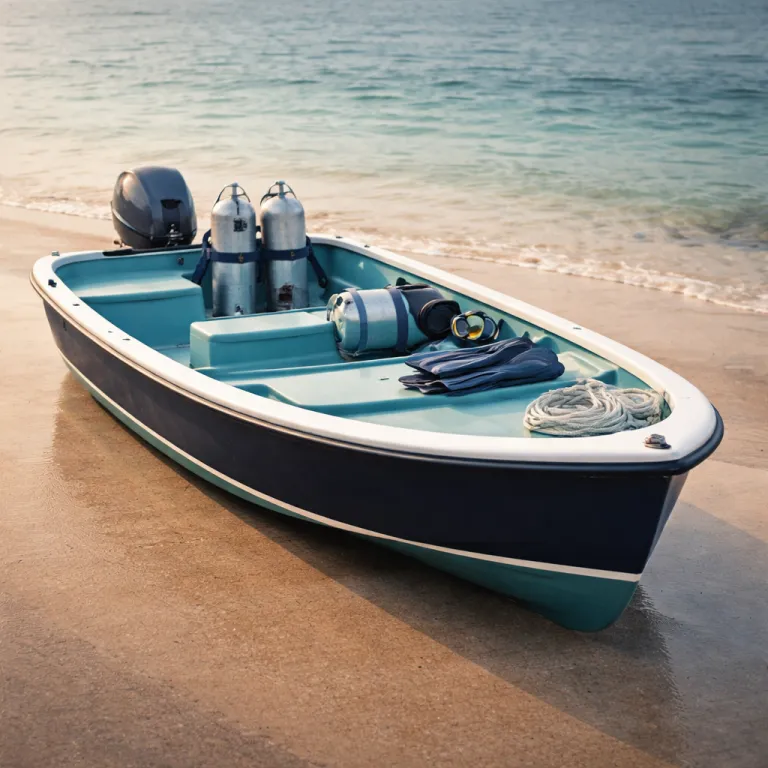
Coastal skiff design for serious divers and marine travelers
A coastal skiff built for divers must balance shallow access with offshore confidence. When a skiff is engineered for coastal flats and nearshore reefs, it lets you reach sites that larger boats simply cannot approach safely. For marine travelers, that balance between reach and restraint defines how far your underwater journeys can go.
Four Sons Marine in Fair Bluff, North Carolina has shaped its coastal skiffs around this reality. Their boat company focuses on all composite, wood free construction, which keeps each skiff coastal hull light yet durable in harsh salt water. For divers planning multi day trips, that durability matters as much as any glossy finish or clever storage solution.
Each coastal skiff model is designed as a simple, efficient platform rather than a floating lounge. The boat standard layout leaves wide, uncluttered decks where tanks, weight belts, and camera rigs can be staged without tripping hazards. On many coastal skiffs, the flats style sheer line and moderate deadrise keep the boat stable when several divers move to one side to gear up.
Because these boats are often powered by a standard outboard, fuel efficiency becomes part of the travel equation. A coastal skiff with a carefully matched outboard optioned package can run long distances between fuel stops, which is vital in remote coastal areas. For itinerant divers, that efficiency translates into more time over reefs and less time searching for marinas.
Increased demand for customizable boats has pushed builders to refine layouts for both fishing and diving. Coastal flats enthusiasts might prioritize casting decks, while divers ask for tank racks and freshwater washdowns as included options. The most capable flats boats now bridge these needs, creating hybrid platforms that serve spearfishers, photographers, and traveling dive teams equally well.
Setting up a coastal skiff as a dedicated dive platform
Transforming a coastal skiff into a reliable dive platform starts with weight planning. Tanks, lead, and camera housings add hundreds of kilograms, so the boat standard capacity and trim must be respected carefully. On a carolina boat hull, that often means distributing gear fore and aft to keep the skiff level when fully loaded.
Many divers choose flats boats because their wide beams and shallow drafts make water entries straightforward. A flats boat with a low transom and sturdy ladder lets you slip into clear coastal water without awkward climbs or risky leaps. When several divers rotate in and out, that simple, repeatable movement pattern reduces fatigue and keeps the day flowing smoothly.
Engine choice is central to this setup, especially when you compare a suzuki outboard with a mercury outboard on the same hull. Some travelers prefer a suzuki outboard for its reputation in fuel efficiency, while others lean toward mercury for service networks along popular coasts. In practice, both outboard options can serve well when correctly optioned outboard packages are matched to the skiff.
Many dealers now offer outboard trailer packages where the trailer included price reflects a ready to travel rig. For divers driving long distances to coastal flats, having the outboard trailer properly balanced and braked is as important as the hull itself. A trailer included in the purchase can also simplify export or cross border travel for extended marine expeditions.
When evaluating a specific coastal skiff, ask which features are included as standard and which are optioned. Some boats arrive with integrated tank racks included, while others treat them as options alongside livewells and casting platforms. For divers, choosing the right options early avoids retrofits that can compromise deck space or hull balance later on.
Engines, range, and safety for remote coastal dive routes
Range and reliability define how far a coastal skiff can safely carry divers from the ramp. A boat powered by a carefully matched standard outboard will burn predictable fuel across varying sea states. That predictability lets you plan multi stop routes along reefs, wrecks, and coastal flats without flirting with reserve limits.
Some owners choose a suzuki outboard for its quiet running and efficient mid range performance. Others prefer mercury, especially when a local boat company has deep experience servicing that brand. In some regions, a combined mercury suzuki service presence effectively covers both engine families, which reassures travelers planning long itineraries.
When a skiff is outboard optioned at the upper end of its rating, acceleration improves but fuel burn rises. For dive travel, many captains instead favor a moderate horsepower standard outboard that sips fuel while cruising at efficient speeds. That choice leaves more capacity for heavy dive gear and extra water, which becomes critical on hot, remote days.
Safety planning also extends to how the skiff handles sudden weather shifts. A carolina boat hull with subtle flare and a confident bow entry can soften head seas when you must leave a site quickly. Divers who understand their hull’s behavior in chop make better go or no go decisions before leaving sheltered flats.
Longer expeditions often combine reef dives with wildlife focused routes, such as whale shark encounters in iconic waters. In these cases, the coastal skiff becomes both transport and safety net, carrying extra oxygen, medical kits, and redundant navigation tools. Integrating marine life knowledge, such as insights from an in depth look at clownfish lifespans, with solid seamanship creates a more informed and resilient dive plan.
Trailering coastal skiffs to new dive regions
For many divers, the real freedom of a coastal skiff lies in its mobility. A well balanced trailer included in the purchase allows you to chase seasons, water clarity, and migration patterns across entire coastlines. Instead of relying on local charter boats, you bring your own familiar platform to every new marine destination.
When evaluating trailers for skiffs, focus on load rating, corrosion resistance, and ease of launching. An outboard trailer that supports the engine properly during long drives prevents transom stress and alignment issues. For frequent travelers, simple bunk designs and sealed hubs reduce maintenance, making it easy to slip into the water after long road days.
North Carolina offers a compelling case study in this style of travel. From Fair Bluff, you can tow a coastal skiff to inlets, estuaries, and offshore ledges within a day’s drive. The region’s mix of coastal flats, tidal creeks, and nearshore wrecks rewards divers who can adapt quickly to changing water conditions.
Dealers such as Carolina Boat Company often sell complete boats with trailer included packages. These carolina boat rigs are typically optioned outboard with engines sized for both local rivers and open coastal runs. For divers, buying from a boat company that understands regional launch ramps and road networks can streamline planning significantly.
As you extend your radius, consider how flats coastal environments differ from rocky headlands or mangrove channels. A coastal skiff that excels on sandy flats boats may need different anchoring systems when used around reefs. Carrying multiple anchor options, from sand spikes to grapnels, ensures the skiff remains secure while you explore underwater.
Balancing fishing, diving, and eco travel on flats boats
Many travelers want a coastal skiff that serves both fishing and diving without compromise. Flats boats originally designed for sight casting now double as compact dive shuttles for small groups. With thoughtful rigging, a single skiff can support spearfishing, photography, and relaxed snorkeling in the same day.
On coastal flats, stealth matters for both fish and sensitive marine life. A simple hull with clean lines and minimal hull slap lets you glide over shallow water without disturbing rays, turtles, or schooling fish. When the engine is trimmed high, a skiff coastal hull can cross surprisingly skinny sections to reach pristine, lightly visited sites.
Engine choice again shapes this versatility, whether you favor mercury or a suzuki outboard. Some flats coastal captains carry spare propellers and basic tools so that outboard options remain reliable far from marinas. A carefully optioned outboard package, with fuel filtration and dual batteries included, reduces the risk of trip ending failures.
Eco minded divers also pay attention to how their boats interact with seagrass and coral. Coastal skiffs with jack plates or tunnel hulls can run shallower, reducing prop scarring on fragile flats. When drifting over reefs, shutting down the standard outboard and using a push pole or current allows near silent approaches.
Content from resources such as guides to Caribbean reef fish helps travelers recognize species they encounter from deck and underwater. Combining that knowledge with respectful boat handling turns each coastal skiff outing into both an adventure and a low impact field class. Over time, this integrated approach deepens appreciation for the ecosystems that make flats boat travel so rewarding.
Inside the build: how coastal skiffs support demanding marine use
Understanding how a coastal skiff is built helps divers judge long term reliability. Four Sons Marine, a family owned manufacturer in Fair Bluff, focuses on hand built, all composite construction for its coastal skiffs. That wood free approach resists rot and minimizes maintenance, which is crucial when boats live in harsh salt water environments.
The company’s methods combine modern design software with practical experience on coastal flats and rivers. Hulls are laid up with high quality composite materials, then finished with simple, functional decks that suit both anglers and divers. For marine travelers, this balance between technology and craftsmanship translates into boats that feel predictable underfoot in varied conditions.
Customization is central to the brand’s philosophy, especially for owners who travel widely. Customers can specify outboard options, storage layouts, and electronics packages to match their style of diving or fishing. Prices range from approximately $19,900 to $39,900, depending on the model and options. (eastcoastmarinenc.com)
Performance data also matters when planning ambitious itineraries. Maximum length of Coastal Skiff models is 27.1 feet. (eastcoastmarinenc.com) Maximum horsepower available is 200 HP. (eastcoastmarinenc.com) Maximum capacity of Coastal Skiff 271 is 3405 lbs. (eastcoastmarinenc.com)
These figures show how a larger coastal skiff can carry multiple divers, tanks, and safety gear without strain. For smaller teams, compact skiffs remain easy to tow and launch while still offering generous deck space. In every case, matching hull size, outboard trailer setup, and intended routes ensures that the boat remains a trustworthy partner for serious diving and marine travel.
Key statistics for coastal skiff diving and travel
- Maximum length of Coastal Skiff models is 27.1 feet, which allows ample deck space for multiple divers and their equipment.
- Maximum horsepower available is 200 HP, providing sufficient power for longer coastal runs with full dive loads.
- Maximum capacity of the Coastal Skiff 271 is 3405 lbs, supporting several divers, tanks, and safety gear without exceeding limits.
Essential questions about coastal skiffs for divers
Are Coastal Skiff boats suitable for shallow waters ?
Are Coastal Skiff boats suitable for shallow waters? Yes, they have shallow drafts, making them ideal for inshore and shallow-water use. (sdmarine.com) For divers, this means easier access to seagrass meadows, mangrove channels, and nearshore reefs that larger vessels cannot safely reach.
Can I customize my Coastal Skiff boat ?
Can I customize my Coastal Skiff boat? Yes, Coastal Skiff offers various customization options to meet individual preferences. (coastalskiff.com) Divers often request additional tank storage, reinforced ladders, and electronics tailored to navigation around reefs and wrecks.
What is the price range for Coastal Skiff boats ?
What is the price range for Coastal Skiff boats? Prices range from approximately $19,900 to $39,900, depending on the model and options. (eastcoastmarinenc.com) This range allows both new and experienced divers to select a hull and engine combination that fits their travel ambitions and budget.