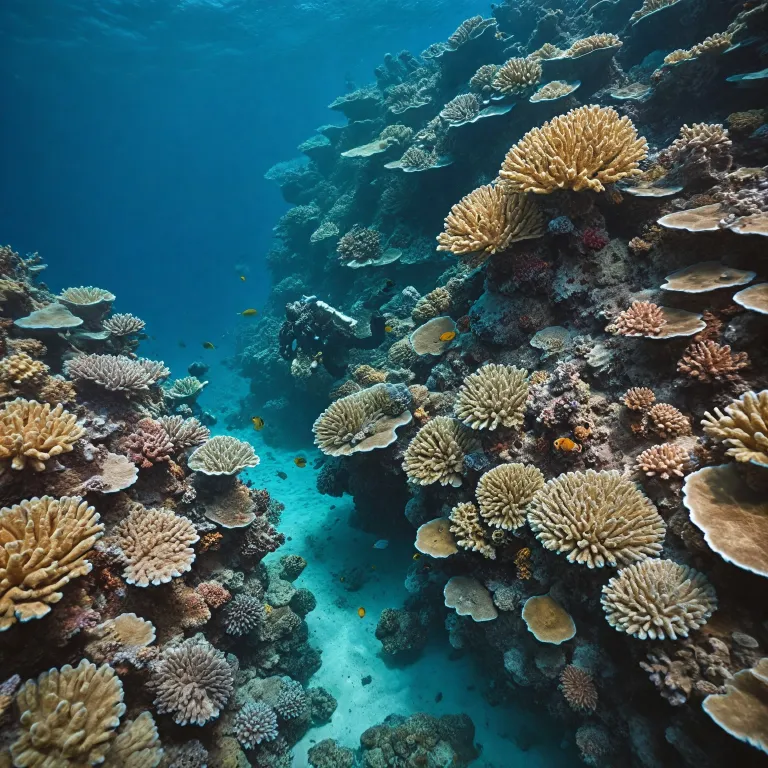
Understanding local regulations for diving and marine travel
When planning diving and marine travel, it is crucial to familiarize yourself with the local regulations that govern underwater activities. Many destinations enforce strict rules to protect marine life and ensure diver safety. For example, some regions require permits for certain dive sites, while others restrict access during specific seasons to safeguard breeding grounds. Always check with local authorities or dive operators about the necessary documentation and any seasonal closures before your trip. Ignoring these regulations can result in hefty fines or even bans from future diving and marine travel in the area.
In addition to permits, divers must be aware of local environmental laws. Some countries prohibit the collection of shells, corals, or marine souvenirs, while others enforce no-touch policies for underwater flora and fauna. These rules are designed to preserve the delicate marine ecosystems that make diving and marine travel so rewarding. Respecting these laws not only protects the environment but also demonstrates cultural sensitivity and responsibility as a visitor. Before embarking on your adventure, research the specific regulations for your chosen destination and ensure all members of your group are informed.
Understanding local regulations is a fundamental aspect of responsible diving and marine travel. It helps maintain the integrity of the underwater world for future generations. By adhering to these rules, you contribute to the sustainability of marine tourism and foster positive relationships with local communities.
Respecting cultural customs in marine destinations
Diving and marine travel often bring visitors into close contact with diverse cultures and traditions. Respecting local customs is essential for a harmonious experience. In many coastal communities, the sea holds deep spiritual significance, and certain sites may be considered sacred. Always ask permission before entering these areas and observe any rituals or practices that may be taking place. Dress modestly when visiting villages or public spaces near dive sites, as local norms may differ from what you are accustomed to.
Communication is key when navigating cultural differences during diving and marine travel. Learn a few basic phrases in the local language, such as greetings and expressions of gratitude. This small effort can go a long way in building rapport with residents and dive operators. Additionally, be mindful of local etiquette regarding photography, especially in areas where people may be sensitive about having their images captured. Always ask before taking photos of individuals or religious ceremonies.
Participating in community-led conservation initiatives is another way to show respect for local customs. Many destinations offer opportunities for divers to engage in reef cleanups or educational programs. These activities not only enrich your diving and marine travel experience but also demonstrate your commitment to preserving the cultural and natural heritage of the region.
Environmental stewardship and sustainable diving practices
Sustainable diving and marine travel are essential for the long-term health of ocean ecosystems. Adopting environmentally responsible practices helps minimize your impact on fragile marine environments. Always use reef-safe sunscreen to prevent harmful chemicals from entering the water. Avoid touching or standing on coral reefs, as even brief contact can cause lasting damage. Maintain proper buoyancy control to prevent accidental contact with the seabed or marine life.
Choose dive operators that prioritize sustainability and adhere to international best practices. Look for certifications such as Green Fins or Blue Flag, which indicate a commitment to environmental protection. These operators often provide briefings on local regulations and offer guidance on responsible behavior underwater. By supporting eco-friendly businesses, you contribute to the preservation of the sites you visit during your diving and marine travel adventures.
Participate in citizen science projects or marine conservation efforts whenever possible. Many destinations welcome divers to assist with reef monitoring, species identification, or debris removal. These activities not only enhance your understanding of the marine environment but also leave a positive impact on the places you explore.
Health and safety considerations for marine travelers
Health and safety are paramount when engaging in diving and marine travel. Before your trip, ensure you are physically fit for diving by consulting a medical professional. Some destinations require a recent medical certificate, especially for advanced or technical dives. Always carry a copy of your dive certification and insurance documents, as these may be requested by local authorities or dive operators.
Familiarize yourself with the location of the nearest hyperbaric chamber and emergency services. In remote areas, evacuation procedures may differ from those in urban centers. Pack a comprehensive first aid kit, including medications for common travel ailments and marine stings. Stay hydrated and avoid excessive alcohol consumption, as dehydration can increase the risk of decompression sickness during diving and marine travel.
Monitor local weather conditions and heed the advice of experienced guides. Sudden changes in weather can affect visibility and currents, posing risks to divers. By prioritizing health and safety, you ensure a rewarding and incident-free diving and marine travel experience.
Legal responsibilities and ethical conduct for divers
Understanding your legal responsibilities is essential when participating in diving and marine travel. Many countries have strict penalties for violations such as fishing in protected areas, damaging coral reefs, or disturbing marine life. Always adhere to local laws and report any illegal activities you witness to the appropriate authorities. Ethical conduct extends beyond compliance with regulations; it involves a commitment to preserving the marine environment and respecting the rights of local communities.
When traveling with equipment, declare all items at customs and ensure they comply with local import regulations. Some destinations restrict the use of certain types of gear, such as spear guns or underwater scooters. Failure to comply can result in confiscation or fines. Keep detailed records of your dives, including site locations and conditions, as these may be required for insurance claims or legal purposes during your diving and marine travel.
Engage with reputable dive operators who prioritize safety and ethical practices. Ask about their policies regarding marine conservation and community engagement. By choosing responsible partners, you contribute to the integrity of the diving and marine travel industry.
Planning your itinerary: Balancing adventure and compliance
Effective planning is key to a successful diving and marine travel experience. Research your destination thoroughly, taking into account local laws, customs, and environmental considerations. Create a flexible itinerary that allows for changes in weather or site availability. Prioritize sites that are managed sustainably and offer opportunities for cultural exchange.
Consider joining guided tours led by local experts, as they provide valuable insights into the region’s history, ecology, and customs. These guides can help you navigate complex regulations and ensure your activities align with local expectations. For an in-depth look at world-class dive sites and marine life, explore this comprehensive guide to scuba diving in Thailand.
Document your experiences responsibly, sharing stories and images that highlight the beauty and diversity of the marine world. By planning thoughtfully and respecting local guidelines, you create lasting memories while supporting the communities and environments that make diving and marine travel so special.
Building positive relationships with local communities
Forging strong connections with local communities enhances the quality of your diving and marine travel. Engage with residents through cultural exchanges, language lessons, or participation in traditional events. Show appreciation for local hospitality by supporting small businesses and artisans who contribute to the region’s unique character.
Respect community boundaries and seek permission before accessing private or restricted areas. Many coastal communities rely on marine resources for their livelihoods, so it is important to avoid activities that may disrupt their way of life. Share your knowledge and experiences with fellow travelers, promoting responsible practices and cultural sensitivity.
By building positive relationships, you foster mutual understanding and contribute to the long-term sustainability of diving and marine travel destinations. Your actions set an example for others and help preserve the rich cultural and natural heritage of the places you visit.
Key statistics on local laws and customs in diving and marine travel
- No statistics available from the provided dataset.
Frequently asked questions about local laws and customs in diving and marine travel
No FAQs available from the provided dataset.