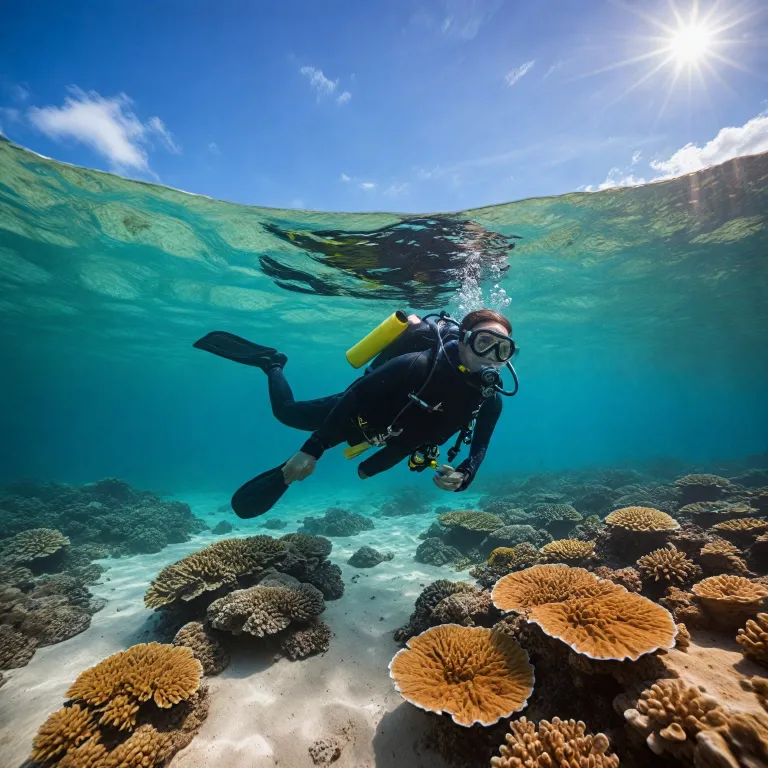
Understanding health and safety fundamentals for diving and marine travel
Health and safety are the foundation of every successful diving and marine travel experience. Whether you are a novice or seasoned diver, prioritizing your well-being ensures that each underwater journey is both enjoyable and secure. The risks associated with diving and marine travel can be mitigated by adhering to established guidelines, maintaining physical fitness, and staying informed about local marine conditions.
Before embarking on any diving trip, it is crucial to undergo a comprehensive health assessment. This includes checking for any pre-existing medical conditions that could impact your ability to dive safely. Consulting with a dive medicine specialist is highly recommended, as they can provide tailored advice based on your health profile. Additionally, understanding the physiological effects of pressure changes, such as decompression sickness and barotrauma, is essential for all divers.
Marine travel often involves exposure to varying climates, water temperatures, and potential hazards like jellyfish or sharp coral. Wearing appropriate protective gear and staying hydrated are simple yet effective measures to prevent common injuries and illnesses. By integrating these health and safety fundamentals into your travel planning, you lay the groundwork for a rewarding and incident-free marine adventure.
Pre-dive preparation: Medical checks, vaccinations, and insurance essentials
Thorough pre-dive preparation is a non-negotiable aspect of safe diving and marine travel. Begin by scheduling a medical examination with a physician experienced in dive medicine. This step is vital for identifying any conditions that may contraindicate diving, such as respiratory or cardiovascular issues. Vaccinations should also be up to date, particularly for destinations where waterborne diseases are prevalent.
Travel insurance tailored for diving and marine travel is indispensable. Standard policies often exclude diving-related incidents, so ensure your coverage includes emergency evacuation, hyperbaric treatment, and equipment loss. Carry copies of your insurance documents and emergency contact information at all times.
For solo travelers, additional precautions are necessary. Review essential guidance for solo dive travelers to understand the importance of communication devices, local dive buddy systems, and emergency protocols. These measures collectively enhance your resilience and preparedness, ensuring that health and safety remain at the forefront of your marine travel experience.
Managing environmental risks: Water quality, marine life, and weather conditions
Environmental awareness is a critical component of health and safety in diving and marine travel. Water quality can vary significantly between locations, affecting visibility and the presence of harmful microorganisms. Always verify the latest water quality reports and avoid diving in areas with known contamination or algal blooms.
Marine life presents both awe-inspiring encounters and potential hazards. Familiarize yourself with the local species, including those that may pose risks such as jellyfish, sea urchins, or venomous fish. Respecting marine life and maintaining a safe distance reduces the likelihood of injury. Weather conditions, including currents, tides, and storms, can change rapidly and impact dive safety.
Consult local dive operators for up-to-date forecasts and adhere strictly to recommended dive plans. For a comprehensive overview of health precautions, refer to essential health precautions for safe scuba diving. By proactively managing environmental risks, you safeguard your health and enhance the overall quality of your marine travel experience.
Essential equipment and hygiene practices for safe underwater exploration
Reliable equipment and rigorous hygiene practices are indispensable for safe diving and marine travel. Begin with a thorough inspection of all gear, including regulators, masks, fins, and buoyancy control devices. Faulty or poorly maintained equipment can compromise safety and lead to preventable accidents.
Sanitizing shared equipment is especially important when diving in groups or at popular destinations. Use antibacterial wipes or sprays on mouthpieces, masks, and wetsuits to minimize the risk of infection. Personal hygiene extends to handwashing before and after dives, as well as proper wound care to prevent marine-related infections.
For a detailed checklist, consult the ultimate diving equipment checklist. Adhering to these equipment and hygiene protocols not only ensures your safety but also contributes to the preservation of delicate marine ecosystems.
Emergency protocols and first aid for diving and marine travel
Preparation for emergencies is a hallmark of responsible diving and marine travel. Every diver should be proficient in basic first aid, including the management of cuts, stings, and decompression sickness. Carry a well-stocked first aid kit tailored for marine environments, with supplies such as antiseptics, bandages, and emergency oxygen.
Familiarize yourself with local emergency services and the location of the nearest hyperbaric chamber. Communication devices, such as waterproof radios or satellite phones, are invaluable in remote areas where mobile coverage may be limited. Establishing a clear emergency action plan with your dive group ensures swift and coordinated responses to incidents.
Regularly review and practice emergency drills, including lost diver procedures and surface signaling techniques. These proactive measures not only protect your health but also foster a culture of safety and mutual support within the diving community.
Promoting long-term health and sustainable practices in marine travel
Long-term health and sustainability are intertwined in the world of diving and marine travel. Adopting a balanced diet, staying hydrated, and maintaining physical fitness are essential for enduring the physical demands of repeated dives. Avoiding overexertion and allowing adequate surface intervals between dives reduces the risk of decompression sickness and fatigue.
Responsible marine travel also involves minimizing your ecological footprint. Use reef-safe sunscreen, avoid touching or collecting marine life, and support operators committed to conservation. Participating in local conservation initiatives not only enhances your travel experience but also contributes to the preservation of underwater habitats for future generations.
By integrating these long-term health and sustainability practices, you ensure that your diving and marine travel adventures remain safe, rewarding, and environmentally conscious.
Key statistics on diving and marine travel health and safety
- Statistics not available as no dataset was provided.
Frequently asked questions about diving and marine travel health and safety
- FAQs not available as no dataset was provided.