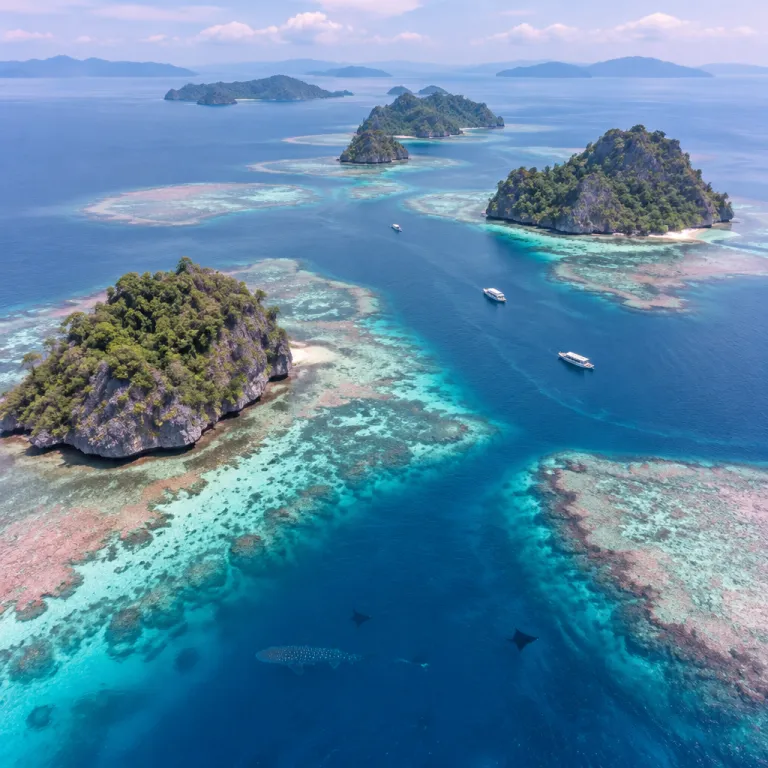
How seasons shape the best diving in Thailand
The best diving in Thailand depends strongly on which coast you choose. When someone plans to dive the Andaman Sea or the Gulf, the season will decide whether conditions feel calm, clear, and truly at their best. Matching your travel dates and your dives to the right monsoon pattern is the single smartest planning move.
On the Andaman Sea side, the Similan Islands and the Surin Islands usually shine between November and April, when the sea is calmer and visibility often reaches 25 to 30 metres. During this window, a Similan liveaboard or a combined Similan–Surin itinerary gives access to offshore dive sites such as Richelieu Rock, Koh Bon, and Koh Tachai, where whale sharks and manta rays are regularly reported. When marine life is this active, many divers rate these islands among the top places in Thailand for big pelagic encounters.
The Gulf of Thailand follows a different rhythm, which keeps diving in Thailand attractive almost all year. Around Koh Tao, Koh Samui, and the nearby islands, conditions usually peak from March to September, with sheltered dive sites that suit beginners and training dives. This seasonal complement means that when the Andaman Sea is rough, a diving Koh Tao trip can still offer calm water, while when the Gulf is windy, a Similan liveaboard in the west can deliver glassy seas and long, relaxed dives.
Costs also vary by region and season, but Thailand remains one of the best value destinations for scuba diving. An Open Water course on Koh Tao typically costs around 11 000 THB, which makes this island a global magnet for first time divers. Liveaboard cruises to the Similan Islands and the Surin Islands often start near 22 000 THB for three nights, and that price usually includes multiple dives per day, meals, and marine park fees. These figures reflect recent averages published by major training agencies and regional dive associations.
Local diving operators and tour guides are the key actors who translate these seasonal patterns into safe, enjoyable itineraries. They coordinate with marine parks authorities, who regulate access to sensitive dive sites and sometimes close areas when the sea becomes unsafe or when reefs need a rest. Before you book, always confirm that your chosen dive team holds current PADI or SSI credentials and valid permits for the national parks in Thailand.
Andaman Sea routes: similan, surin and the southern offshore pinnacles
For many experienced travellers, the best diving in Thailand starts in the deep blue of the Andaman Sea. Here, the Similan Islands and the Surin Islands form two distinct clusters of granite islands and coral reefs, linked by popular Similan–Surin liveaboard routes. These itineraries allow divers to wake up each day at a new dive site, far from the crowds of the mainland.
The Similan Islands are famous for huge boulders, sweeping channels, and colourful reef slopes that attract manta rays, reef sharks, and dense schools of fusiliers. A typical Similan liveaboard schedule includes three or four dives per day, with night dives on sheltered sites where marine life changes character after dark. When conditions align, these islands offer some of the best wide angle underwater photography opportunities in Thailand.
Farther north, the Surin Islands protect Richelieu Rock, a horseshoe shaped rock formation that rises from deep water and concentrates marine life. This single dive site has earned a reputation as one of the best dive sites in Asia for whale sharks, thanks to seasonal plankton blooms that attract these gentle giants. Many divers plan their entire diving Thailand journey around a chance to meet whale sharks here, often combining Richelieu Rock with Similan Islands reefs on the same liveaboard.
South of these parks, the offshore pinnacles of Hin Daeng and Hin Muang add a more advanced chapter to the best diving in Thailand. These two rocks rise sharply from deep water, with Hin Muang known for its purple soft corals and Hin Daeng for steep walls where manta rays circle cleaning stations. Currents can be strong, so dives here suit confident divers who already feel comfortable in the open sea and who can manage safety stops in blue water.
Many Andaman Sea liveaboard operators now design routes that combine Similan, Surin, and the southern pinnacles into one extended cruise. This approach allows divers to experience very different types of dive sites in a single trip, from gentle coral gardens to exposed rock plateaus where sharks patrol. If you enjoy reading about refined tropical reef bases, you might compare these Thai routes with the style of tropical reef diving in Naples, Florida, then decide which sea suits your next journey.
Koh Lanta, Koh Phi and the southern Andaman islands
Moving south along the Andaman coast, Koh Lanta and Koh Phi Phi form a natural base for some of the best diving in Thailand. These islands sit within reach of legendary offshore rocks such as Hin Daeng, Hin Muang, Koh Haa, and Koh Bida, each with its own character and marine life. Divers who prefer day trips rather than liveaboard cruises often choose Koh Lanta or Koh Phi as their main island.
Koh Lanta offers easy access to Koh Haa, a compact group of limestone islets with sheltered lagoons and caverns that suit a wide range of experience levels. Here, a single day of dives can include gentle reef slopes, swim throughs, and deeper walls where reef sharks and schooling fish gather. Many travellers rate Koh Haa as one of the best balanced dive sites in Thailand, because it entertains both beginners and advanced divers on the same boat.
From Koh Phi, boats head regularly to Koh Bida, a pair of small islands with steep walls, healthy coral, and frequent sightings of blacktip reef sharks. These dive sites often combine dramatic rock formations with shallow bays where turtles graze and colourful reef fish crowd the coral heads. When conditions are calm, the visibility and marine life density here rival more famous Similan Islands sites, yet the travel time from the main island remains short.
Farther offshore, Hin Daeng and Hin Muang rise from deep water and attract manta rays, whale sharks, and large pelagic fish when currents carry rich plankton. These rocks can deliver some of the best adrenaline filled scuba diving in Thailand, but they demand respect for changing sea conditions and depth. Many operators require a minimum number of logged dives before taking guests to these sites, which helps keep both divers and marine life safer.
Divers who enjoy shark encounters sometimes compare these Thai rocks with other world class passes, such as the famous shark wall in Fakarava, described in detail in this feature on diving Fakarava’s South Pass. While the species mix differs, the same principles apply when planning dives around strong currents and steep rock structures. Always listen carefully to briefings from your dive team, and be honest about your comfort level before entering the sea.
Koh Tao, Koh Samui and Gulf of Thailand training hubs
On the opposite coast, the Gulf of Thailand offers a softer entry point to the best diving in Thailand. Koh Tao has become one of the world’s busiest islands for entry level scuba diving courses, thanks to its sheltered bays and competitive pricing. For travellers who want to learn diving Thailand style, this island combines a relaxed atmosphere with a dense network of professional dive schools.
Typical training days on Koh Tao involve two or three dives at nearby dive sites such as Japanese Gardens, Twins, or White Rock. These sites offer shallow sandy patches for skills, followed by coral gardens where new divers can enjoy marine life without strong currents or deep water. Because so many instructors live on the island year round, the teaching culture has matured, and many schools now emphasise small groups and careful briefings.
Koh Samui, a larger island to the south, serves as a comfortable base for travellers who prefer more developed infrastructure while still accessing the best diving in Thailand’s Gulf. From here, day boats often head to Sail Rock, a famous pinnacle between Koh Tao and the mainland that attracts whale sharks in certain seasons. This single rock offers multiple depth profiles, so both intermediate and advanced divers can enjoy long, satisfying dives around its vertical walls and chimney like swim through.
While the Gulf of Thailand rarely matches the dramatic topography of Hin Daeng or Hin Muang, it compensates with reliability and accessibility. Calm seas, short boat rides, and abundant training facilities make diving Koh Tao and Koh Samui ideal for first certifications or refresher dives. Many travellers complete their Open Water course here, then continue west to the Similan Islands or Koh Lanta to experience more challenging dive sites later in the same trip.
When planning a multi destination itinerary, remember that “Beginners favour Koh Tao for cheap courses” and that “Koh Tao has lowest course rates and easy conditions”. At the same time, “When is best time to dive in Thailand? Andaman: Nov-Apr; Gulf: Mar-Sep” and “Where to see whale sharks? Richelieu Rock and Sail Rock seasonal hotspots”. These concise guidelines, drawn from current regional data and operator reports, help you align your training schedule with the broader patterns that define the best diving in Thailand.
Marine life highlights: whale sharks, manta rays and reef ecosystems
One reason travellers speak so often about the best diving in Thailand is the sheer variety of marine life. From tiny nudibranchs on shallow reefs to whale sharks cruising offshore pinnacles, the range of encounters suits both macro photographers and big animal enthusiasts. Choosing the right island or liveaboard route will shape which species you are most likely to meet.
Whale sharks remain a headline attraction, especially at Richelieu Rock in the Surin Islands and at Sail Rock in the Gulf of Thailand. These gentle giants follow plankton blooms, so sightings cluster in certain months, yet recent data from regional photo ID projects suggests that “Whale-shark and manta sightings rising”. When you plan dives around these sites, remember that even without whale sharks, the surrounding marine life often includes barracuda, trevallies, and dense schools of reef fish that create a rich underwater scene.
Manta rays add another layer to the best diving in Thailand, particularly around the Similan Islands, Koh Bon, and the southern rocks of Hin Daeng and Hin Muang. These graceful animals visit cleaning stations on exposed rock plateaus, where currents bring both nutrients and small cleaner fish. Divers who remain calm, maintain good buoyancy, and avoid chasing the rays often enjoy longer, closer passes as the animals circle repeatedly.
Beyond the headline species, Thailand’s coral reefs support complex ecosystems that reward slow, attentive dives. On sites near Koh Lanta, Koh Phi, and Koh Haa, you can spend an entire day exploring a single dive site, moving from shallow coral gardens to deeper rock ledges. Seahorses, ghost pipefish, and colourful crustaceans hide among soft corals and sea fans, while reef sharks patrol the edges of the reef.
Comparing these ecosystems with other tropical reef destinations, such as the autumn conditions in Malta or the Red Sea, can sharpen your sense of what makes diving in Thailand unique. A detailed feature on autumn reef diving in Malta, Gozo and Dahab shows how water clarity and temperature shifts influence marine life elsewhere. In Thailand, the interplay between monsoon seasons, plankton cycles, and protected marine parks creates its own rhythm, which you can tap into by timing your dives carefully.
Practical planning: routes, safety and working with local operators
Turning the idea of the best diving in Thailand into a real itinerary requires thoughtful planning. Start by deciding whether you prefer a single island base, a liveaboard cruise, or a combination of both. Your choice will influence not only which dive sites you reach, but also how many dives per day you can comfortably enjoy.
For travellers with limited time, basing yourself on Koh Lanta, Koh Phi, Koh Tao, or Koh Samui allows you to sample nearby dive sites through day boats. This approach suits those who like returning to the same island each evening, enjoying local restaurants and a stable routine between dives. It also works well if you travel with non divers, who can explore the island while you are at sea.
If your priority is maximising time underwater at the best and most remote dive sites, a Similan liveaboard or a combined Similan–Surin cruise becomes very attractive. These boats typically offer three or four dives per day, including night dives, and they move between islands such as the Similan Islands, the Surin Islands, and offshore rocks like Hin Daeng when conditions allow. Because you sleep close to the action, surface intervals feel relaxed, and you can focus fully on the rhythm of the sea.
Safety should remain central to any plan for diving Thailand, especially when visiting deeper rocks or sites with strong currents. Always check that your chosen operator works closely with marine parks authorities, carries oxygen and first aid equipment, and maintains clear emergency procedures. Ask about maximum group sizes, guide experience, and whether the team adapts dive profiles to different skill levels on the same boat.
Finally, respect for marine life underpins the long term quality of the best diving in Thailand. Use reef safe sunscreen, maintain excellent buoyancy to avoid touching coral, and never chase sharks, whale sharks, or manta rays for photographs. By working with responsible dive teams and following park regulations, you help ensure that iconic sites from Koh Haa to Koh Bida and from Richelieu Rock to Hin Muang remain vibrant for future divers.
Key figures on Thailand’s top diving regions
- Open Water course cost on Koh Tao averages around 11 000 THB, based on recent dive school rates compiled by local training agencies, which keeps this island among the most affordable training hubs globally.
- A typical three night Similan liveaboard visiting the Similan Islands and sometimes the Surin Islands costs about 22 000 THB, according to current Similan liveaboard pricing published by regional operators, and usually includes nine to eleven dives.
- The prime Andaman Sea season for the best diving in Thailand lasts roughly six months, from about November to April, when winds ease and visibility improves significantly compared with the rainy period.
- Andaman Sea conditions are generally best from November to April, while the Gulf of Thailand around Koh Tao and Koh Samui tends to peak from March to September, giving divers almost year round options.
- Liveaboard popularity in Thailand has been rising steadily, with more boats now offering combined Similan–Surin and southern rock routes, which increases access to remote dive sites such as Hin Daeng and Hin Muang.
FAQ about the best diving in Thailand
When is the best time to dive in Thailand’s main regions ?
The Andaman Sea side, including the Similan Islands, Surin Islands, Koh Lanta, and Koh Phi, usually offers its best diving from November to April. The Gulf of Thailand, especially around Koh Tao and Koh Samui, tends to peak from March to September. This seasonal contrast allows divers to find good conditions somewhere in Thailand for most of the year.
Where should beginners learn scuba diving in Thailand ?
Koh Tao is widely regarded as the best island in Thailand for affordable entry level scuba diving courses. The island combines sheltered bays, short boat rides, and a large number of qualified instructors who teach in multiple languages. Course prices around 11 000 THB for Open Water certification make it especially attractive for budget conscious travellers.
Which Thai dive sites are best for whale sharks and manta rays ?
Richelieu Rock near the Surin Islands and Sail Rock between Koh Tao and the mainland are considered the best Thai dive sites for seasonal whale shark encounters. For manta rays, divers focus on the Similan Islands, Koh Bon, and the southern pinnacles of Hin Daeng and Hin Muang. Sightings are never guaranteed, but planning trips in peak seasons and choosing experienced operators increases your chances.
Is a liveaboard necessary to experience the best diving in Thailand ?
A liveaboard is not strictly necessary, but it does unlock some of the best and most remote dive sites in Thailand. Similan liveaboard and Similan–Surin itineraries allow multiple dives per day at offshore islands that day boats cannot reach easily. If you prefer sleeping on land, basing yourself on Koh Lanta, Koh Phi, Koh Tao, or Koh Samui still gives access to excellent local dive sites through day trips.
How should I choose a safe and reliable dive operator in Thailand ?
Look for operators that are registered with recognised agencies such as PADI or SSI, maintain small group sizes, and work closely with marine parks authorities. Ask about equipment maintenance, oxygen availability, and the experience level of guides who will lead your dives. Reading recent reviews and speaking directly with staff before booking will help you identify teams that prioritise safety and respect for marine life.