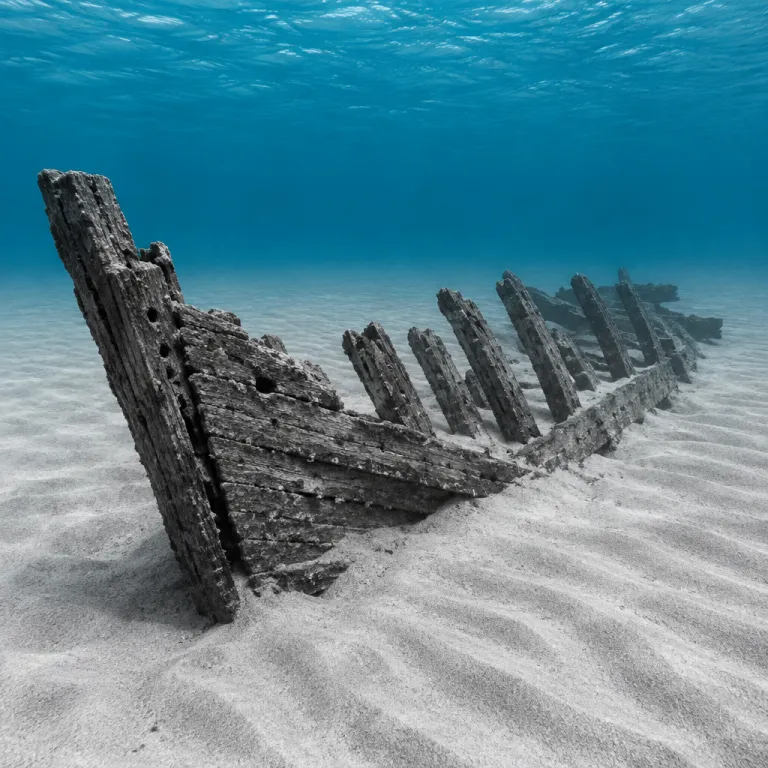
The Spanish aviso off Jupiter Inlet: why this shallow wreck matters
Few wrecks combine easy access and deep history like the Spanish shipwreck near Jupiter Inlet in Jupiter, Florida. This shallow colonial-era aviso lies just off Jupiter Beach in Palm Beach County, offering a rare blend of archaeological significance and relaxed diving conditions for capable visitors. The result is a wreck-diving experience that feels intimate yet firmly anchored in the wider story of colonial sea routes between Spain and the Americas.
The vessel is widely associated with a seventeenth-century Spanish aviso that may have been the San Miguel Arcángel, a messenger ship running between the ports of Tierra Firme and the royal authorities in Spain. While the identification of the ship as the San Miguel Arcángel is traditional rather than fully proven, the cargo of silver coins and other artifacts clearly links the wreck to the era when the king of Spain controlled vast maritime trade across the Atlantic. For divers who care about context, this Jupiter Inlet wreck is not just another broken hull in a few feet of water, but a tangible chapter in the story of imperial ships and storm-driven loss.
The wreck site lies roughly 100 to 200 yards off the shore, in about 3 to 6 metres (10 to 20 feet) of water, which makes it accessible to confident snorkellers as well as scuba divers. That proximity to the public shoreline at Jupiter Beach and nearby West Palm means you can plan a short return trip from land-based accommodation and still spend generous bottom time exploring the ballast pile and scattered artifacts. Because the site is so close to the Jupiter Inlet jetty and the open sea, conditions can shift quickly, so timing your dives with local advice will significantly improve visibility and safety.
From storm to sand: how the aviso and its treasure were lost
The story of this wreck begins with the Spanish maritime system that linked Tierra Firme and other New World regions to the principal ports of mainland Spain. Fast aviso ships like the probable San Miguel Arcángel carried urgent messages, passengers and often high-value cargo such as silver and gold coins, moving faster than the slower treasure fleets but facing the same Atlantic storms and coastal hazards. Somewhere off what is now Jupiter, Florida, heavy weather and shifting shoals near the inlet and beach combined to drive this aviso onto the reef, where the ship broke apart in shallow water only a short distance from safety.
Contemporary records suggest that aviso vessels on the return trip from Tierra Firme to Spain often carried royal revenues, private wealth and official correspondence for the king of Spain. The Jupiter Inlet wreck fits that pattern, with thousands of silver coins and other precious items later recovered from the site and surrounding sea floor. Over the years, storms and currents scattered the ballast pile, anchors and cannons across the area, turning a single ship into multiple micro-wrecks that now lie within easy reach of the modern public shoreline at Jupiter Beach and Palm Beach.
For divers who enjoy combining maritime history with underwater exploration, this shallow-water site offers a rare chance to swim directly over the same sand that swallowed silver bar fragments and small artifacts centuries ago. The modest depth means natural light often illuminates the seabed, revealing subtle details in the ballast stones and metal fittings that would be harder to appreciate on deeper wrecks. If you enjoy reading about food and wreck hunting between dives, the narrative of this Spanish aviso pairs well with broader wreck travel stories such as those described in guides to eating and wreck hunting along a historic coastline.
Rediscovery by Peter Leo and the rise of Jupiter Wreck, Inc.
Centuries after the ship went down off Jupiter Inlet, the wreck slept quietly beneath a few metres of water and shifting sand. That changed in the 1980s, when Palm Beach County lifeguard Peter Leo noticed an anchor and cannon in the shallows near Jupiter Beach, recognising that these were not modern debris but likely remnants of an old ship. In later interviews preserved in local museum files, Leo recalled thinking, “Those guns didn’t belong to any weekend boat,” a moment of recognition that turned a casual swim into the starting point for one of Florida’s most influential shallow-water salvage and legal cases.
Following the initial find by Leo, a dedicated salvor organisation called Jupiter Wreck, Inc. formed to explore the wreck site systematically and recover artifacts under state oversight. Using standard diving gear, airlifts and small dredges, the team worked across the area of the ballast pile and surrounding seabed, gradually revealing anchors, cannons, tableware and thousands of silver and gold coins. Conservation specialists then used electrolysis baths and other techniques to stabilise silver bar fragments, coin clusters and iron fittings, ensuring that these pieces of the Jupiter Inlet wreck could be studied and, in some cases, displayed to the public.
The case quickly became a landmark under Florida’s abandoned wreck laws, shaping how the state balances private salvage with cultural heritage protection in shallow coastal sites. Court rulings and agreements between Jupiter Wreck, Inc. and the State of Florida, documented in Florida Division of Historical Resources Bureau of Archaeological Research project files 8PB34 and 8PB35 and in Jupiter Wreck, Inc. v. Unidentified, Wrecked and Abandoned Sailing Vessel, 691 F. Supp. 1377 (S.D. Fla. 1988), set precedents for survey standards, reporting requirements and the division of artifacts. For divers who enjoy exploring global wrecks, the Jupiter story sits comfortably alongside more remote destinations, such as those profiled in detailed guides to Truk Lagoon’s ghost fleet, but with the added convenience of a shore-accessible site in Palm Beach County.
Diving the Jupiter wreck today: access, conditions and safety
Modern divers approaching the historic Jupiter Inlet wreck usually start from the public access points at Jupiter Beach Park, just south of the inlet jetty. From there, the site lies roughly 100 to 200 yards offshore in about 3 to 6 metres (10 to 20 feet) of water, which means a short surface swim or a quick boat drop from a local operator. The approximate position, as summarised in Florida site files, falls near 26°56′N, 80°04′W off Jupiter Inlet, close enough to the beach that experienced snorkellers can reach the ballast pile when conditions are calm and lifeguards permit offshore swimming.
On calm days, visibility over the ballast pile and scattered wreckage can be surprisingly good, allowing you to see the structure of the seabed and the remaining ship elements with natural light. You will often find small fish schools weaving through the stones, with occasional rays or turtles passing by, reminding you that this is both a historical wreck site and a living marine habitat. Because the area sits close to the Jupiter Inlet Lighthouse and active navigation routes, carrying a surface marker buoy and staying aware of boat traffic is non-negotiable for any responsible diver.
Most of the high-value silver and gold artifacts, including many coins and any intact silver bar pieces, have already been removed under permit, so your focus should be on observation rather than collection. Florida law protects this and similar wrecks as cultural resources, and removing items from the Jupiter Inlet site without authorisation can lead to serious penalties. If you are planning more technical or overhead-environment dives on the same trip, such as cave or cavern excursions inland, it is worth reviewing specialist equipment advice like the guidance on choosing the best helmet for serious explorers in technical cave diving gear guides.
Linking sea routes, coins and culture: why this wreck matters to history
Beyond its appeal as an accessible dive, the Jupiter Inlet wreck offers a compact lesson in how Spain managed its colonial sea routes. The probable identification of the vessel as the San Miguel Arcángel, or a similar aviso ship, ties the site directly to the communication network that linked Tierra Firme and other American regions with the royal court and the king of Spain. Every coin, ballast stone and iron fitting on the seabed helps historians reconstruct how these ships operated along the Florida coast and beyond.
Archival research and artifact analysis suggest that the cargo included thousands of silver and gold coins, likely representing both royal revenues and private wealth being shipped from Caribbean and Tierra Firme ports back to Spain. When storms drove the ship onto the shoals near Jupiter Inlet, that wealth scattered across the shallow sea floor, where it lay for years beyond counting until Peter Leo and later teams from Jupiter Wreck, Inc. began systematic work. The presence of a concentrated ballast pile, anchors and cannons in only a few metres of water makes this wreck unusually legible to both archaeologists and attentive recreational divers.
For the public, exhibits that feature artifacts from the Jupiter area wreck help connect modern residents of Palm Beach and West Palm with the deeper maritime past of their coastline. Visiting the nearby Jupiter Inlet Lighthouse and museum, then swimming over the wreckage itself, creates a powerful sense of continuity between land-based history and the sea. When you glide above the stones and timbers of this aviso ship, you are literally hovering over a lost chapter of transatlantic trade that once linked Tierra Firme, Spain and the wider colonial world.
Planning your wreck focused trip to Jupiter Florida and Palm Beach
Organising a wreck-oriented journey to Jupiter, Florida starts with understanding how compact the local area really is. Within a short drive you can move between West Palm, Palm Beach and Jupiter Beach, combining dives on the historic inlet wreck with visits to the lighthouse and nearby museums. This tight geography means you will spend more time in the water and less time in transit, which is ideal if you are balancing family travel with dedicated wreck diving.
Most visitors base themselves near the public access points along the beach, then schedule morning dives on the Jupiter Inlet site followed by afternoon excursions to cultural landmarks. A typical day might include an early swim or boat drop over the ballast pile in 3 to 6 metres (10 to 20 feet) of water, a relaxed lunch, then a guided tour of the lighthouse and local exhibits that feature silver coins and other artifacts from the aviso ship. If you are travelling with non-divers, they can enjoy the sand and sea at Jupiter Beach while you explore the wreck just offshore, keeping everyone within the same general area.
Because this is a shallow coastal wreck, conditions can change quickly with wind and swell, so building flexibility into your schedule will pay off. Aim for multiple windows across several days rather than relying on a single return trip to see everything, especially if you want to photograph the site under different light and visibility. When you finally fin slowly over the scattered stones and metal of the Jupiter Inlet wreck, the combination of easy access, rich history and living marine life will likely make this one of the most memorable shallow wreck dives in your logbook.
Key figures from the Jupiter shipwreck and its salvage
- The wreck lies in approximately 10 feet (about 3 metres) of water, according to court findings in Jupiter Wreck, Inc. v. Unidentified, Wrecked and Abandoned Sailing Vessel, 691 F. Supp. 1377 (S.D. Fla. 1988), which makes it one of the most accessible historic wrecks for snorkellers and novice divers along the Florida coast.
- The distance from shore is roughly 100 yards off Jupiter Beach, meaning a relatively short surface swim from public access points when conditions are calm and lifeguards permit offshore swimming.
- Archaeological and press reports, including Florida Division of Historical Resources artifact catalogues for site 8PB34, indicate that around 5,000 coins were recovered from the wreck site, highlighting the economic significance of this single aviso ship within the broader Spanish colonial trade system.
- The vessel dates to the seventeenth-century Spanish colonial era, placing it within the period when Spain relied heavily on aviso ships to move urgent messages and high-value cargo between Tierra Firme and European ports.
- The case became one of the first major applications of Florida’s abandoned shipwreck legislation, shaping how the state manages ownership, salvage rights and public access for historic wrecks in shallow coastal waters.
FAQ about the Jupiter Florida shipwreck for divers
Is the wreck definitely the San Miguel Arcángel aviso
Researchers widely associate the Jupiter Inlet wreck with the San Miguel Arcángel, a Spanish aviso vessel, but the identification is not fully proven by surviving documents. Archaeological evidence, cargo patterns and historical context support the link, yet official reports still treat the name as traditional rather than definitive. Divers should appreciate the wreck as a representative seventeenth-century Spanish aviso, while understanding that its exact identity remains under scholarly discussion.
What kinds of artifacts have been recovered from the wreck
Salvage and archaeological work at the Jupiter site has produced anchors, cannons, tableware and thousands of silver and gold coins. Conservation teams have stabilised many of these finds, including occasional silver bar fragments and clusters of coins fused by corrosion, for study and display. Some artifacts appear in regional museums, while others remain under state control or in collections governed by legal agreements between Florida and private salvors.
Who owns the artifacts from the Jupiter Florida shipwreck
The State of Florida asserts ownership over historic wrecks within its waters under abandoned shipwreck legislation, including the Jupiter Inlet site. Private entities such as Jupiter Wreck, Inc. have operated under permits and court-supervised agreements that define how artifacts are recovered, conserved and sometimes shared. Legal settlements have evolved over time, but the core principle is that the wreck is treated as a cultural resource rather than a purely commercial treasure source.
Can recreational divers still visit the wreck site today
Yes, recreational divers and experienced snorkellers can visit the wreck site off Jupiter Beach when sea conditions and local regulations allow. The shallow depth of around 10 feet of water makes it accessible, but currents, boat traffic near Jupiter Inlet and changing visibility require prudent planning. Visitors must observe Florida laws that prohibit unauthorised removal of artifacts, treating the Jupiter Inlet wreck as an underwater museum rather than a place to collect souvenirs.
How does this wreck compare with deeper wreck destinations worldwide
The Jupiter Inlet site offers a very different experience from deep wreck destinations such as Truk Lagoon or North Atlantic liners. Its shallow depth, proximity to shore and focus on a single Spanish aviso ship make it ideal for shorter, more relaxed dives that emphasise history and context over technical challenge. Many divers use Jupiter as an accessible introduction to wreck archaeology before progressing to more demanding sites elsewhere in Florida and around the world.
References and further reading
- Florida Division of Historical Resources, Bureau of Archaeological Research site files 8PB34 and 8PB35 on the Jupiter Inlet wreck and associated permits
- Jupiter Wreck, Inc. v. Unidentified, Wrecked and Abandoned Sailing Vessel, 691 F. Supp. 1377 (S.D. Fla. 1988), and related court records concerning ownership and salvage rights
- Palm Beach County historical archives and local museum exhibits relating to the seventeenth-century Spanish aviso wreck and recovered coin assemblages
- United States National Park Service maritime heritage publications on Spanish colonial shipping, Tierra Firme trade routes and Atlantic navigation hazards