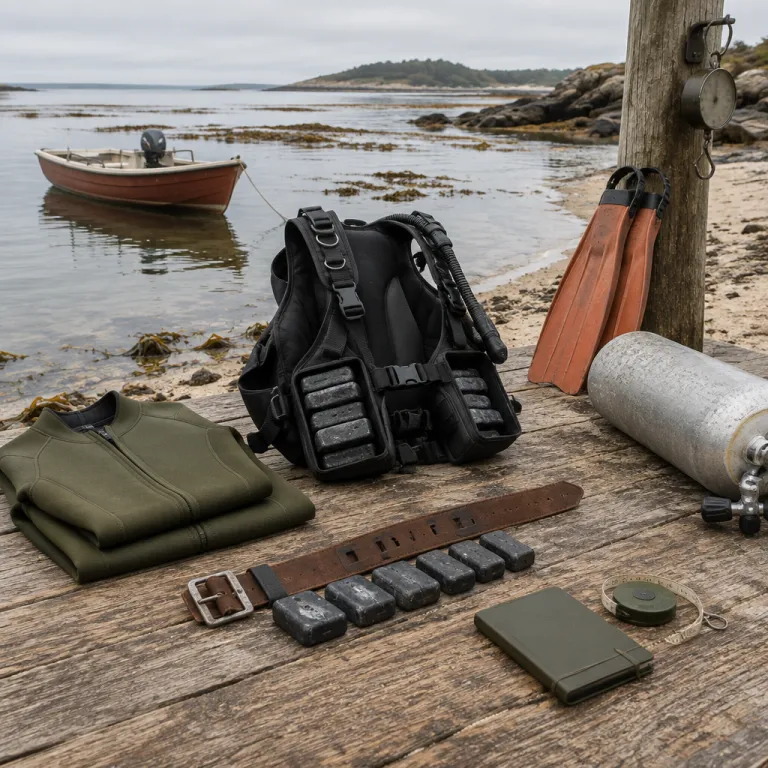
Scuba diving weight calculators: turning estimates into effortless buoyancy
Why weighting matters more than any gadget in your dive bag
Effective weighting starts long before you step into the water. Your scuba diving weight calculator is only as reliable as the information you feed into it, and that means understanding how your body, exposure suit, and cylinder interact with different water type conditions. When divers treat weighting as guesswork instead of a measured process, they burn gas, fight their BCD, and lose the calm focus that makes dive adventures memorable.
Think of lead weights as a precision tool, not a heavy safety blanket. Too much lead drags your body down, forces you to overinflate the BCD, and makes precise buoyancy control almost impossible to maintain during a relaxed scuba dive. Too little diving weight feels easier on the surface, but it will leave you struggling to descend, unable to hold a safety stop, and at risk of uncontrolled ascents in both fresh water and salt water.
A good scuba diving weight calculator estimate gives you a realistic starting weight, not a magic number. You then fine tune that starting weight with an in water buoyancy check, ideally at the end of a dive when the cylinder is lightest and your suit is fully compressed. Used this way, a weight calculator becomes a planning instrument that supports peak performance, rather than a shortcut that replaces real diving skills.
How a scuba diving weight calculator actually works
Most divers never see the simple physics behind their favorite weight calculator app. Every scuba diving weight calculator is trying to balance the positive buoyancy of your exposure suit and body weight against the negative buoyancy of your cylinder and lead weights in a specific water type. The calculator estimate changes when you switch from fresh water to salt water, from a thin tropical suit to a thick cold water wetsuit, or from an aluminium tank to a heavy steel tank.
When you enter your body weight, suit thickness, cylinder type, and planned water type, the calculator uses typical buoyancy values to suggest a dive weight range. That range is your starting weight, which you then test with a structured buoyancy check: first at the surface with a full cylinder, and again at 5 metres with almost empty gas. Over time, careful divers record their scuba weight for each configuration and refine the calculator estimate so it reflects their real world diving experience.
Equipment configuration also influences how much lead you need and where you place it. A streamlined backplate and wing system with a long hose, as explained in this guide to recreational divers borrowing from technical setups, often reduces required lead because the rig itself is less positively buoyant. Whether you dive a jacket style BCD or a wing, the goal is the same: achieve proper buoyancy with the minimum scuba weight that still lets you hold a stop comfortably at the end of every dive.
Translating numbers into real buoyancy control underwater
Once your scuba diving weight calculator gives you a number, the real work begins underwater. Start your dive with a calm descent, pausing at 5 metres to feel how your body, suit, and BCD respond as the water pressure compresses everything. If you need to add large bursts of air into the BCD just to stop sinking, your starting weight was probably too heavy for that water type and exposure suit.
During the dive, monitor how your buoyancy changes as the cylinder becomes lighter and your breathing pattern settles. A well tuned dive weight setup will let you hover with only small BCD adjustments and subtle changes in lung volume, even as you move from shallow coral gardens to deeper ocean walls. If you find yourself constantly adding and dumping air, or finning hard to stay off the bottom, plan to remove or shift some lead weights before your next scuba dive.
Near the end of the dive, perform a single, consistent buoyancy check at your safety stop. With around 50 bar left in the cylinder, vent all excess air from your BCD, hold a normal breath, and see whether you can maintain 5 metres with minimal effort. You should float at eye level on the surface with an empty BCD and a normal breath, then slowly sink when you exhale. Over several dive adventures, you will fine tune your scuba weight until proper buoyancy feels automatic, not like a constant battle with the BCD.
Adapting your weighting between fresh water lakes and salt water oceans
Switching from a mountain lake to a tropical ocean often confuses even experienced divers. Salt water is denser than fresh water, which increases your positive buoyancy and forces you to add more lead for the same exposure suit and cylinder. A reliable scuba diving weight calculator lets you compare fresh water and salt water scenarios side by side, so you can plan your starting weight before you travel.
For example, a diver using a 5 millimetre suit and aluminium cylinder in fresh water might need 6 kilograms of lead weights to achieve proper buoyancy. The same diver in warm salt water with identical gear could require 2 to 3 kilograms more lead, depending on body weight and BCD design. By entering both water type options into a buoyancy calculator app, you will see how much extra diving weight to pack for your next ocean trip.
Remember that altitude, suit age, and cylinder choice also influence weighting. Older exposure suits often lose some buoyancy as the neoprene compresses, which means your previous scuba weight notes may no longer match reality in either fresh or salt conditions. Before every new destination, use a weight calculator to generate a fresh calculator estimate, then confirm it with a careful buoyancy check during your first dive in that specific water.
Using pools and training dives to fine tune your personal weighting profile
Pool sessions are one of the most efficient ways to refine your scuba diving weight calculator settings. In a controlled fresh water environment, you can test different combinations of suit, cylinder, and lead without current, waves, or limited visibility distracting you. This kind of structured practice turns abstract buoyancy theory into muscle memory that will serve you well in complex ocean conditions.
Many training centres now emphasise pool based buoyancy drills before taking students into open water. A detailed article on why training in a scuba swimming pool transforms your first dives shows how early exposure to proper buoyancy skills reduces anxiety and improves gas consumption. During these sessions, instructors often ask divers to adjust their dive weight in small increments, then repeat a buoyancy check at different depths to feel how the BCD and suit respond.
Keep a simple log of your body weight, exposure suit thickness, cylinder type, and total lead weights for each configuration you test. Over time, this personal dataset becomes more valuable than any generic weight calculator app, because it reflects your unique body composition and breathing style. When you later enter similar parameters into a buoyancy calculator, you will recognise whether the calculator estimate matches your experience or needs a small fine tune before the next dive adventure.
Planning marine travel with weighting in mind
Thoughtful divers plan their weighting strategy as carefully as their flights and liveaboard bookings. Before each trip, use a scuba diving weight calculator to model different combinations of water type, exposure suit, and cylinder options offered by local operators. This planning helps you decide whether to travel with your own lead weights, rely on rental gear, or adjust your usual scuba weight expectations for that destination.
In warm ocean locations where you wear a thin suit, you may find that your required dive weight is low enough to rely entirely on the centre’s lead. Cold water destinations with thick exposure suits and steel cylinders often demand more precise weighting, so bringing your own belt or integrated lead weights can make sense. Either way, a pre trip buoyancy calculator estimate gives you a clear starting weight that you will refine with a buoyancy check on the first dive.
As you build a portfolio of dive adventures across different regions, patterns emerge in your logs. You will notice how your body weight, preferred BCD style, and favourite tank combinations influence the amount of lead you need in various water types. Treat each trip as an opportunity to fine tune your personal weighting profile, using both the calculator and real dives to move closer to peak performance and consistently proper buoyancy wherever you travel.
Key statistics about weighting, buoyancy, and scuba safety
- A review of incident reports from Divers Alert Network (for example, the DAN Annual Diving Report 2020 Edition) shows that rapid ascents linked to poor buoyancy control are a contributing factor in a significant share of recreational scuba accidents, highlighting the safety impact of correct dive weight selection.
- Training agencies such as PADI and SSI report in their peak performance buoyancy instructor guides that students who complete dedicated buoyancy courses typically reduce their required lead by 2 to 4 kilograms, which improves trim and lowers gas consumption on subsequent dives.
- Studies on neoprene compression, including manufacturer test data and independent lab measurements such as those summarised in the Rubber World technical reports on closed cell foams, indicate that a 7 millimetre exposure suit can lose up to 50% of its buoyancy between the surface and 30 metres, which explains why a surface weight calculator estimate must always be verified with an in depth buoyancy check.
- Comparative tests in controlled conditions reported by equipment manufacturers show that divers using well adjusted backplate and wing systems often require 1 to 3 kilograms less lead than with traditional jacket style BCD designs, due to reduced inherent buoyancy in the equipment and more streamlined trim.
- Field observations from large training centres, based on internal student tracking over multiple seasons, suggest that divers who log their body weight, suit, cylinder, and total lead after every trip reach stable, repeatable weighting within about 20 dives, while those who do not track data continue to over weight for far longer.
FAQ about scuba diving weight calculators and buoyancy
How accurate are scuba diving weight calculators for new divers ?
A scuba diving weight calculator provides a useful starting weight, but it cannot account perfectly for individual body composition, breathing style, or subtle differences in exposure suit buoyancy. New divers should treat the calculator estimate as a first guess, then perform a careful buoyancy check with an instructor at the end of a dive. Over several dives, logging actual lead weights and conditions will make future calculator results much more accurate.
Should I change my weighting when switching from aluminium to steel cylinders ?
Yes, cylinder choice has a clear impact on required dive weight. Steel cylinders are usually more negatively buoyant than aluminium, so you often need less lead when using steel tanks in the same water type and exposure suit. Always run a fresh calculator estimate and confirm it with an in water buoyancy check whenever you change cylinder material or size.
How often should I redo a buoyancy check during my diving career ?
You should repeat a buoyancy check whenever a key variable changes, such as body weight, exposure suit thickness, BCD style, or typical water type. Ageing neoprene, new equipment, and different cylinders all influence proper buoyancy, even if your overall fitness feels similar. Regular checks keep your scuba weight aligned with reality instead of relying on outdated assumptions.
Is it safer to be slightly heavy or slightly light with my dive weight ?
Being slightly heavy is common, but it is not ideal for control or comfort. Excess lead forces you to add more air to the BCD, which increases drag and makes buoyancy less stable during depth changes. The safest approach is to use a scuba diving weight calculator to find a realistic starting weight, then fine tune until you can hold a safety stop with minimal effort and almost empty gas.
Can a weight calculator app replace formal buoyancy training ?
No, a weight calculator app is a planning tool, not a substitute for skills training. Formal courses in peak performance buoyancy teach you how to use breath control, trim, and precise BCD adjustments to stay stable in the water. Combining that training with thoughtful use of a scuba diving weight calculator will give you the most reliable and enjoyable results on every dive.
