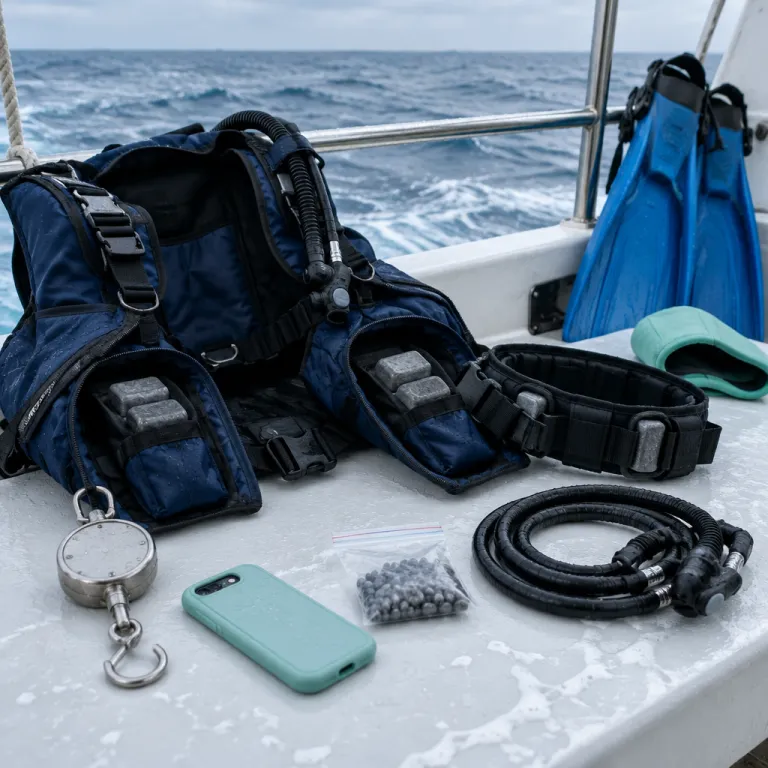
Why a dive weight calculator matters for real world scuba travel
Every dive starts with one deceptively simple decision about weight. The amount of lead you carry will shape your buoyancy, air consumption, and overall comfort in the water. When you travel for scuba diving, changing water type, exposure suit, and tank size make that weighting decision even more complex.
A reliable dive weight calculator gives divers a structured starting point. It translates your body weight, wetsuit thickness, and planned water type into an estimated dive weight that you can then fine tune. Used correctly, this kind of calculator helps you reach neutral buoyancy faster and reduces the guesswork that often leads to carrying too many weights.
On a liveaboard in the Red Sea, for example, you might switch from fresh water training conditions to warm salt water with a thin exposure suit. A good scuba weight calculator will immediately show why your previous diving weight no longer works and how much extra lead weight you will likely need. That means fewer rushed buoyancy checks on the first descent and more time enjoying the reef instead of fighting your bcd.
Core factors every serious dive weight calculator must include
No digital calculator can replace an in water buoyancy check, yet a well designed tool will integrate the main physical variables that affect buoyancy. The first is body weight, because a heavier body generally displaces more water and therefore needs more lead to reach neutral buoyancy. The second is exposure suit choice, since a thick wetsuit or dry suit traps more air and dramatically increases positive buoyancy at the surface.
Water type is the third pillar in any trustworthy weight calculator. Salt water is denser than fresh water, so the same diver, in the same suit, with the same tank, will float more in the ocean than in a lake. A robust dive weight calculator therefore asks whether you will be diving in fresh water, temperate seas, or very salty environments such as the Red Sea, and it adjusts the suggested scuba weight accordingly.
The fourth factor is equipment configuration, especially tank material and bcd style. An aluminium tank becomes positively buoyant as air is consumed, while a steel tank often remains slightly negative throughout the dive, which changes the total dive weight you need to carry. For readers who want to go deeper into advanced buoyancy control techniques, this detailed guide on mastering buoyancy control explains how weighting interacts with trim, breathing, and underwater positioning.
From starting point to precise fit: turning numbers into proper weighting
Think of any dive weight calculator as a starting point, not a final answer. The calculator uses your inputs about body weight, exposure suit, water type, and tank to suggest an initial diving weight, but only real buoyancy checks in the water can confirm proper weighting. Responsible divers treat the first estimate as a guide, then adjust weights in small increments during the first one or two dives at a new destination.
A practical method is to enter your details into a scuba weight calculator before the trip, then pack slightly more lead weight capacity than the calculator suggests. Once you reach the site, perform a controlled buoyancy check at the surface with a nearly empty tank, minimal air in the bcd, and normal breathing. If you float too high in salt water, add one kilogram of lead weight at a time until you sink slowly while inhaling and can hover at eye level with the surface when you exhale.
When you change wetsuit thickness, switch from a shorty to a full suit, or move from fresh water to the ocean, repeat the same process and fine tune your dive weight. Over several trips, you will build a personal log of weighting data that complements any digital weight calculator. For a deeper breakdown of how exposure suit choice, lead placement, and breathing patterns interact, consult this in depth resource on mastering dive weight, which focuses on effortless buoyancy and safer underwater travel.
How body, suit, and water type reshape your weighting on the road
Travel divers often underestimate how much their body and equipment combinations change from trip to trip. A diver who uses a 7 millimetre wetsuit in cold fresh water will need very different weights when switching to a 3 millimetre exposure suit in warm salt water. The same body weight, when wrapped in less neoprene, creates less positive buoyancy and therefore requires less lead to reach neutral buoyancy.
Every serious dive weight calculator should ask detailed questions about suit type and wetsuit thickness. A full suit, shorty, or layered exposure suit each traps different volumes of air, and that trapped air acts like a built in bcd at the surface. When you enter your suit details into a weight calculator, you give the algorithm enough information to estimate how much extra scuba weight you will need to offset that buoyant neoprene in both fresh water and salt water.
Body composition also plays a subtle role, because fat tissue is more buoyant than muscle, so two divers with the same body weight may require different diving weight. This is why divers should treat any calculator as a guide and then perform real buoyancy checks at the destination, especially when changing water type or switching from a thin weight wetsuit to a thicker cold water suit. Over time, careful logging of your own dive weight in different conditions will make each future trip easier to plan and safer to execute.
Buoyancy checks, air consumption, and safer marine travel
Accurate weighting is not only about comfort; it directly affects safety and gas planning. A diver who carries too much weight must add more air to the bcd to compensate, which increases drag and can raise air consumption throughout the dive. Under weighting can be just as risky, because struggling to descend or stay at a safety stop in salt water can lead to stress and poor buoyancy control near the surface.
After using a dive weight calculator to set an initial dive weight, disciplined divers always perform buoyancy checks at the start of a trip. A proper buoyancy check with a nearly empty tank confirms whether the suggested scuba weight allows you to hover at eye level with the surface while breathing normally, without kicking. If you sink quickly, remove a small amount of lead weight; if you cannot descend without forceful finning, add a little more and repeat the check until you achieve neutral buoyancy.
Good buoyancy also improves trim, reduces contact with fragile marine life, and supports more efficient air consumption on longer scuba diving excursions. For divers who want to refine their breathing patterns alongside their weighting skills, this article on refining underwater breathing explains how slow, controlled inhalations and exhalations interact with bcd volume and overall buoyancy. When you combine a thoughtful weight calculator, regular buoyancy checks, and mindful breathing, every dive on your next marine travel itinerary becomes smoother and more controlled.
Practical weighting scenarios for popular diving destinations
Consider a diver who usually trains in a European lake with fresh water, wearing a 5 millimetre wetsuit and carrying 8 kilograms of lead weight. A dive weight calculator might suggest that the same diver, using the same exposure suit in tropical salt water, will need roughly 2 kilograms more to achieve neutral buoyancy. On arrival in the Maldives, that diver should still perform buoyancy checks, but the calculator offers a realistic starting point that reduces wasted time and stress on the first descent.
Now imagine a second scenario where a traveler moves from warm water scuba diving in a 3 millimetre suit to a cold water trip in Iceland, using a thick 7 millimetre wetsuit or even a semi dry suit. The calculator will factor in the increased wetsuit thickness, higher neoprene volume, and different water type to suggest a significantly higher diving weight. In practice, this diver might shift from 4 kilograms of lead weight in tropical seas to 10 or 12 kilograms in cold, less salty water, always confirming the new weighting with careful buoyancy checks.
Liveaboard itineraries add another layer of complexity, because air consumption patterns change over multiple dives per day as divers relax and improve buoyancy. A thoughtful weight calculator cannot predict your exact breathing rate, but it can ensure that your starting point for scuba weight is close enough that only minor adjustments are needed. Keeping a simple log of body weight, suit type, water type, tank material, and final dive weight for each destination will turn you into your own expert calculator over time.
Building your personal system around any dive weight calculator
Relying blindly on a single calculator is never wise, yet combining digital tools with disciplined habits creates a powerful system. Before each trip, enter your current body weight, planned exposure suit, expected water type, and usual tank choice into a trusted dive weight calculator. Note the suggested scuba weight, then pack enough modular lead weights to adjust up or down by small increments at the destination.
During the first dives, perform structured buoyancy checks at both the surface and at 5 metres, with a nearly empty tank and minimal air in the bcd. Record the final dive weight that gives you neutral buoyancy, stable trim, and comfortable air consumption without constant inflating or dumping of the bcd. Over time, you will build a personal database that complements any generic weight calculator and reflects your unique body composition, breathing style, and preferred exposure suit combinations.
For traveling divers, this approach turns weighting from a stressful guess into a predictable routine that supports safer marine exploration. Whether you are planning shallow reef dives in clear salt water or deep wreck dives in cooler fresh water, the same principles apply. Use the calculator as a starting point, respect the physics of buoyancy, and let real world data from your own dives guide every fine tune to your weighting system.
Key figures about weighting, buoyancy, and scuba safety
- Recreational training agencies such as PADI report that poor buoyancy control and improper weighting are contributing factors in a significant share of scuba incidents, highlighting why a structured dive weight calculator and regular buoyancy checks are essential for safety.[1]
- Studies referenced by Divers Alert Network indicate that overweighting by as little as 2 to 3 kilograms can measurably increase air consumption, which shortens bottom time and reduces the safety margin on multi level dives.[2]
- Equipment tests published by Scuba Diving Magazine show that a full 7 millimetre wetsuit can add the equivalent of 6 to 8 kilograms of positive buoyancy at the surface compared with a thin 3 millimetre suit, which explains why exposure suit data must be included in any serious weight calculator.[3]
- Hydrostatic comparisons demonstrate that salt water is roughly 2.5% to 3% denser than fresh water, so divers often need between 1 and 3 kilograms more lead weight when moving from lakes to the ocean, depending on body weight and suit thickness.[4]
- Training data from major agencies suggest that divers who complete formal buoyancy workshops, including structured weighting exercises, show up to a 20% improvement in air consumption over several months of regular diving.[5]
Sources: [1] PADI training and incident analysis materials; [2] Divers Alert Network (DAN) reports on gas consumption and weighting; [3] Scuba Diving Magazine exposure suit buoyancy tests; [4] standard oceanography and hydrostatics references on seawater density; [5] performance data from agency buoyancy and peak performance workshops.
FAQ about using a dive weight calculator for marine travel
How accurate are online dive weight calculators for real dives?
Most online dive weight calculators provide a reasonable starting point, but they cannot account perfectly for individual body composition, breathing style, or every exposure suit variation. Treat the suggested scuba weight as an estimate, then confirm it with in water buoyancy checks using your actual tank and bcd. Over time, adjust the calculator’s output based on your logged dive weight in different water type and suit combinations.
Should I change my weighting when switching from fresh water to salt water?
Yes, you almost always need more weight in salt water because it is denser than fresh water. A dive weight calculator that includes water type will typically add 1 to 3 kilograms of lead weight when you move from a lake to the ocean. Always verify the new diving weight with a controlled buoyancy check at the destination before starting deeper dives.
How does wetsuit thickness affect the amount of lead I need?
Thicker wetsuits trap more air in the neoprene, which increases positive buoyancy at the surface and during the dive. When you enter wetsuit thickness and suit type into a weight calculator, it will usually suggest more scuba weight for a 5 or 7 millimetre exposure suit than for a 3 millimetre suit or shorty. Any time you change suit or add layers, repeat your buoyancy checks and fine tune the dive weight accordingly.
Can improving my buoyancy reduce air consumption on trips?
Yes, proper weighting and stable buoyancy help you move more efficiently and breathe more calmly underwater. When you carry only the lead weight you truly need, you use less bcd inflation and create less drag, which supports lower air consumption over the course of a dive. Combining a thoughtful dive weight calculator with buoyancy practice and relaxed breathing can noticeably extend your bottom time on marine travel adventures.
Is it safer to be slightly overweighted or slightly underweighted?
Both extremes create risks, so the goal is always neutral buoyancy with proper weighting. Being significantly overweighted can make controlled ascents harder and increase reliance on the bcd, while being underweighted can make it difficult to hold safety stops, especially in salt water with a near empty tank. Use a calculator for a starting point, then adjust in small steps until you can hover comfortably at your planned stop depth without constant finning or inflating.